
Motion Graphics: From Idea to Execution and Its Impact on Branding & Sales
What is Motion Graphics?
Motion Graphics refers to the design and animation of graphic elements to visually convey messages, information, or stories. Unlike traditional animation, motion graphics typically include graphic design, typography, icons, charts, and 2D or 3D visuals brought to life through movement.
By combining art, technology, and creative techniques, motion graphics communicate brand messages in an engaging and impactful way. This tool is essential not only in advertising and marketing but also in education, information campaigns, service introductions, and cultural awareness initiatives.
Motion Graphics History
- Roots and Precursors (Before 1960)
Motion graphics originated from traditional animation and graphic design. Before computers, artists used manual techniques:
- Frame-by-Frame Animation: Drawings on celluloid were displayed in rapid succession.
- Film Titles and Credits: In the 1920s–1930s, animated film titles began. Designers like Saul Bass in the 1950s–60s gained fame for creative title sequences, e.g., Psycho and North by Northwest.
- 1960s–1970s – Television and Educational Films
- Charts and simple animations explained complex data.
- TV credits and short ads became widespread.
- Focus on clarity, readability, and quick communication.
- 1980s – Computer Graphics and Early Software
- Early programs like Deluxe Paint and Quantel Paintbox emerged.
- TV and advertising animations became digital.
- Integration of graphics, motion, and sound allowed faster edits.
- 1990s – Modern Software & Standardization
- Adobe After Effects (1993): A milestone enabling 2D graphic animation.
- Softimage & 3D Studio Max: Introduced 3D capabilities.
- Layering, masks, and effects enhanced project complexity.
- 2000s – Internet & Digital Media Expansion
- Short, engaging motion graphics became essential for websites and social media.
- Software like Cinema 4D enabled realistic 3D design.
- Focus shifted to user experience and interaction.
- 2010s–Present – Interactive and Smart Motion Graphics
- Integration of 3D, VR/AR, and AI for immersive experiences.
- User interaction through web and apps.
- Styles include infographics, explainer videos, character animation, and minimalism.
Key Milestones in Motion Graphics Evolution
- From manual to digital: Celluloid & hand-drawing → professional software.
- Focus on branding and advertising: Motion graphics became a key marketing tool.
- Multi-platform adaptability: TV, web, mobile, social media.
- Combining art and data: Simplifying messages while presenting information.
- User engagement: Directly impacting audience behavior and decision-making.
Leading Countries and Top Rankings (2025)
|
Country |
Strengths & Distinct Styles |
|
USA |
Minimalist and advertising styles; professional tools like AE & Cinema 4D; online branding & ads |
|
Canada |
Creative explainer and social projects; story-driven style |
|
Germany |
Precision, industrial & technical motion graphics; scientific info-focused |
|
Japan |
Minimalist style, vibrant colors, character animation; cultural storytelling |
|
UK |
Luxury brand campaigns; combining 2D & 3D with stunning VFX |
|
South Korea |
Fast, engaging digital designs for social media; modern & tech-focused |
|
Iran |
Rapid growth in advertising motion graphics & infographics; digital branding & social content |
Importance of Motion Graphics in Branding & Marketing
- Strong Branding: Visual storytelling strengthens brand identity.
- Customer Trust & Loyalty: Professional design and high-quality visuals increase credibility.
- Boost Sales: Motion-driven messages influence purchasing decisions more effectively.
- Education & Information: Simplifies complex concepts.
- Cultural & Behavioral Impact: Movement, colors, and narratives shape audience perception.
Impact on the Advertising Industry
- Audience Engagement: Smooth, attractive movements capture attention instantly.
- Simplifying Complex Messages: Technical or abstract info becomes digestible.
- Brand Recall: Animated logos and title sequences improve memorability.
- Consumer Behavior Influence: Storytelling and emotion drive purchase intent.
- Digital & Social Media Optimization: Short motion videos perform best on Instagram, TikTok, LinkedIn.
- Professional Brand Image: Regular use in campaigns portrays a modern and credible brand.
Motion Graphics Team Requirements
- Creative Director: Ideation & project leadership
- Graphic Designer: Visual elements, icons, characters, typography
- Animator: Motion & animation
- Sound Designer & Editor: Music, sound effects, final editing
Essential Skills
- Software Proficiency:
- 2D: Adobe After Effects, Illustrator, Photoshop
- 3D: Cinema 4D, Blender, Maya
- Editing: Premiere Pro, Final Cut Pro
- Color, motion, and UX psychology
- Visual storytelling
Motion Graphics Design & Production Process
- Research & Concept: Brand goals, audience, competitors.
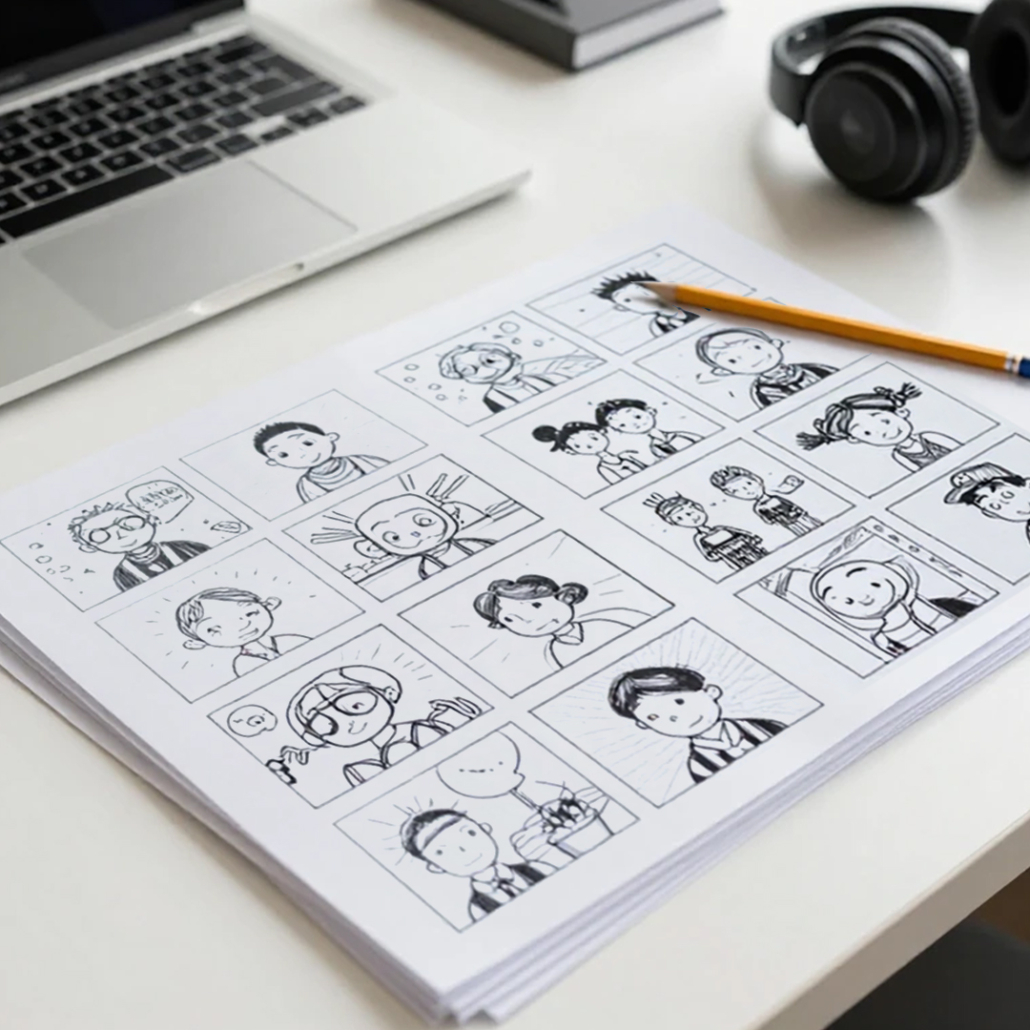
- Storyboarding & Concept Design: Narrative, frame sketches, key points.
- Graphic Design: Colors, fonts, logo, icons, charts, visual elements.
- Animation & Motion: 2D/3D, frame-by-frame, motion tracking.
- Sound Design & Music: Matching rhythm with visuals.
- Editing & Rendering: Format, resolution, social media standards.
Styles & Dominant Trends
- Flat & Minimal Design
- Infographic Motion
- Explainer Videos
- 3D Motion Graphics
Technical & Expert Tips
- Color psychology aligns with brand messaging
- Fonts must be readable and brand-appropriate
- Video length: short for social media, longer for education
- Visual identity and logo consistency
Impact on Sales & Market
- Higher engagement and content views
- Stronger brand identity & recall
- Enhanced credibility through design quality
- Indirect marketing via digital brochures & service introductions
- Influences consumer behavior and purchase decisions
Project Costs & Timeline
- Factors: Duration, design complexity, team expertise, software.
- Standard Timeline:
- Short (30s–1 min): 1–2 weeks
- Long (2–5 min): 3–6 weeks
- Costs: Based on team expertise, software, production time, project complexity
Motion Graphics, SEO & Content Marketing
- Boosts user dwell time, a key SEO factor
- SEO-friendly captions improve visibility on Google & YouTube
- Short, engaging motion content increases social shares and organic traffic
Future Trends (2025)
- AI-driven animation & personalized content
- Interactive motion graphics (web & apps)
- Minimal & 2.5D styles for fast production and clear visuals
- Hybrid real + digital campaigns
Cultural & Social Impact
- Raises social awareness through educational and environmental campaigns
- Shapes lifestyle & culture, not just sales
- Example: Food or sports brands promoting healthy or fun lifestyles enhance audience loyalty
Professional Audience Highlights
- Quality production requires graphic design, storytelling, sound, and VFX
- Even 30-second videos may take days to produce; higher quality = higher ROI
- Essential tools: After Effects, Cinema 4D, Blender, Premiere Pro, Figma for storyboard/prototyping
Conclusion
Motion graphics are a powerful tool for education, advertising, service introduction, and branding. Proper design, color/font selection, visual identity alignment, and high production quality are keys to project success.
A professional motion graphic not only communicates your brand message attractively but also:
- Shows brand credibility & professionalism
- Builds customer trust & loyalty
- Directly impacts sales & audience decisions
- Creates a lasting brand experience in the audience’s mind

Leave a Reply
Want to join the discussion?Feel free to contribute!