
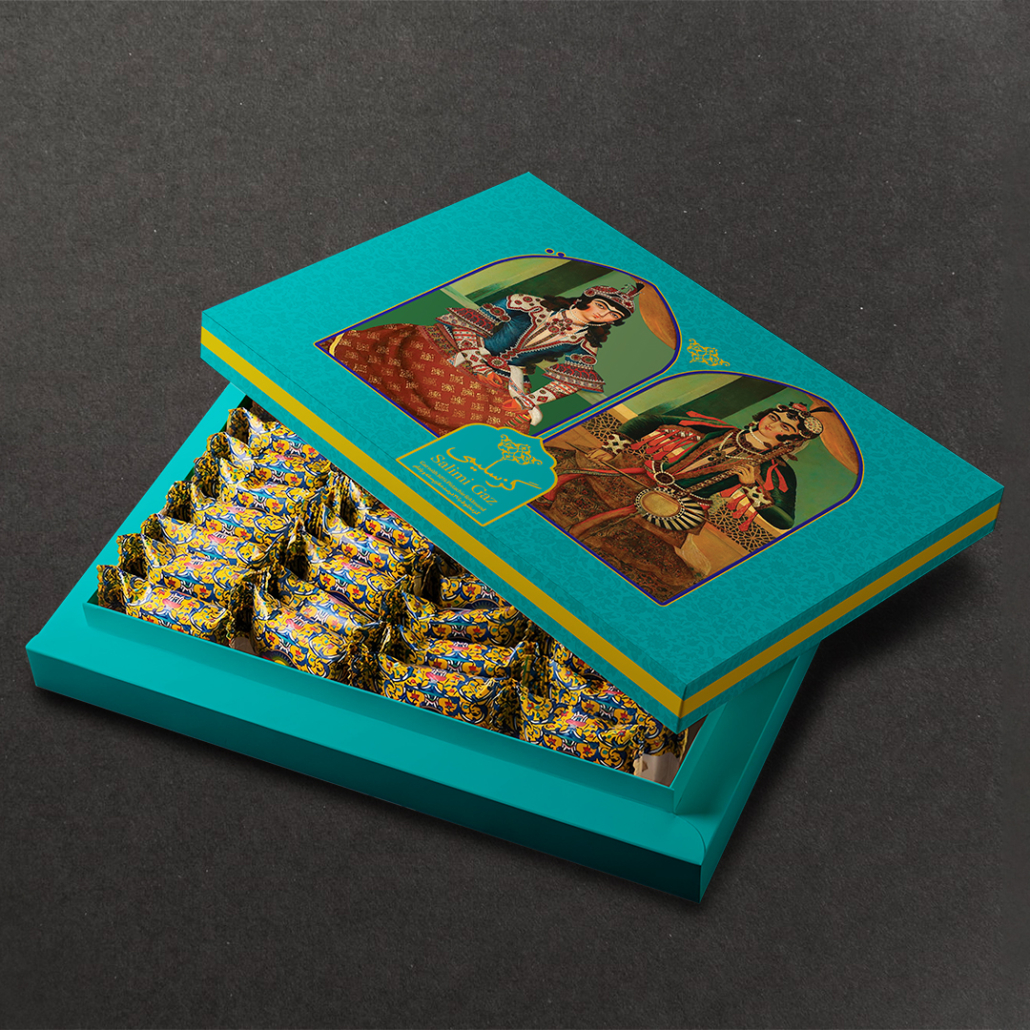
Everything About Packaging: From the Beginning to Today
What is Packaging?
Packaging has been with humans since the dawn of civilization. Early humans used natural materials like leaves, animal skins, woven baskets, and clay pots to store and transport food or tools. This simple need marked the beginning of product packaging.
As civilizations advanced, new materials entered the packaging world—from glass and bronze containers to wooden barrels and woven sacks. Each innovation helped humans better store and protect food and goods.
Paper played a crucial role in packaging. The Chinese were the first to use paper for food packaging around the 1st and 2nd centuries BCE. Later, the Romans used recycled paper to package perfumes. One of the earliest historical records comes from 1035 CE, when a Persian traveler observed vegetables, spices, and goods in Cairo markets being wrapped in paper and sold to customers.
This historical journey shows that packaging is not only a practical tool but also part of culture, economy, and even brand identity. From ancient times to today, packaging has always responded to a basic human need: protection, ease of transport, and ultimately, impact on the consumer.
History of Packaging
- Early Humans: Thousands of years ago, humans used leaves, animal skins, hollow stones, and shells for storage and transportation.
- Ancient Era: Egyptians and Greeks used clay jars, amphorae, and wooden boxes to store and transport food and drinks.
- Middle Ages: Leather, fabric, and wooden chests were common.
- Industrial Revolution (18th–19th Century): Mass production increased the need for standardized and durable packaging. Glass, metal cans, and printed paper were widely used.
- 20th Century: The advent of plastic revolutionized packaging. Lightweight, inexpensive, and durable, it transformed the industry.
- Today: Packaging serves not only protective functions but also branding, marketing, and competitive purposes. Smart, biodegradable, and digital packaging is emerging.
Why Packaging Matters
Modern packaging is not just for product protection. Its key roles include:
- Protection: Preventing physical damage, contamination, moisture, light, and heat.
- Ease of Transport: Standardizing dimensions and weight for logistics.
- Information: Providing essential product details, like manufacturing date, ingredients, and usage instructions.
- Brand Identity: The first touchpoint with the customer is often the packaging.
- Influence on Purchase Decisions: 70% of buying decisions in-store or online are influenced by packaging appearance.
- User Experience (UX): Creative packaging can turn unboxing into a memorable experience.
What If There Was No Packaging?
Without packaging, our daily lives would be very different and challenging:
- Products would become contaminated or unsafe. Food and beverages would be exposed to dust, bacteria, and environmental conditions.
- Transportation would be difficult. Carrying products like rice or milk without durable packaging would be challenging.
- Brands would remain unknown. Packaging conveys logos, colors, and brand identity. Without it, all products would look the same.
- Customer choice would be harder. Attractive and functional packaging guides consumer decisions.
- Markets would be limited. Exporting and shipping products over long distances relies on packaging.
Packaging is more than just a cover; it’s vital for health, safety, logistics, marketing, and daily life.
Types of Packaging
By Material
- Paper & Paperboard Packaging
- Features: Lightweight, high-quality printing, cost-effective, eco-friendly.
- Applications: Cardboard boxes, shopping bags, dry food, pharmaceuticals, cosmetics.
- Advantages: Recyclable, versatile design, creative printing possible.
- Challenges: Low resistance to moisture and high pressure.
- Plastic Packaging
- Features: Lightweight, flexible, moisture-resistant.
- Applications: PET bottles, wraps, bags, disposable containers.
- Advantages: Affordable, versatile shaping, durable.
- Challenges: Environmental pollution, recycling difficulties.
- Glass Packaging
- Features: Transparent, hygienic, chemically resistant.
- Applications: Bottles, jars for beverages, honey, cosmetics.
- Advantages: Fully recyclable, preserves taste, luxurious look.
- Challenges: Fragility, heavy.
- Metal Packaging
- Features: Strong, impermeable to light and oxygen.
- Applications: Cans, beverages, sprays.
- Advantages: Long shelf-life, excellent protection.
- Challenges: Heavier than plastic, higher cost.
- Wooden Packaging
- Features: Strong, ideal for heavy transport.
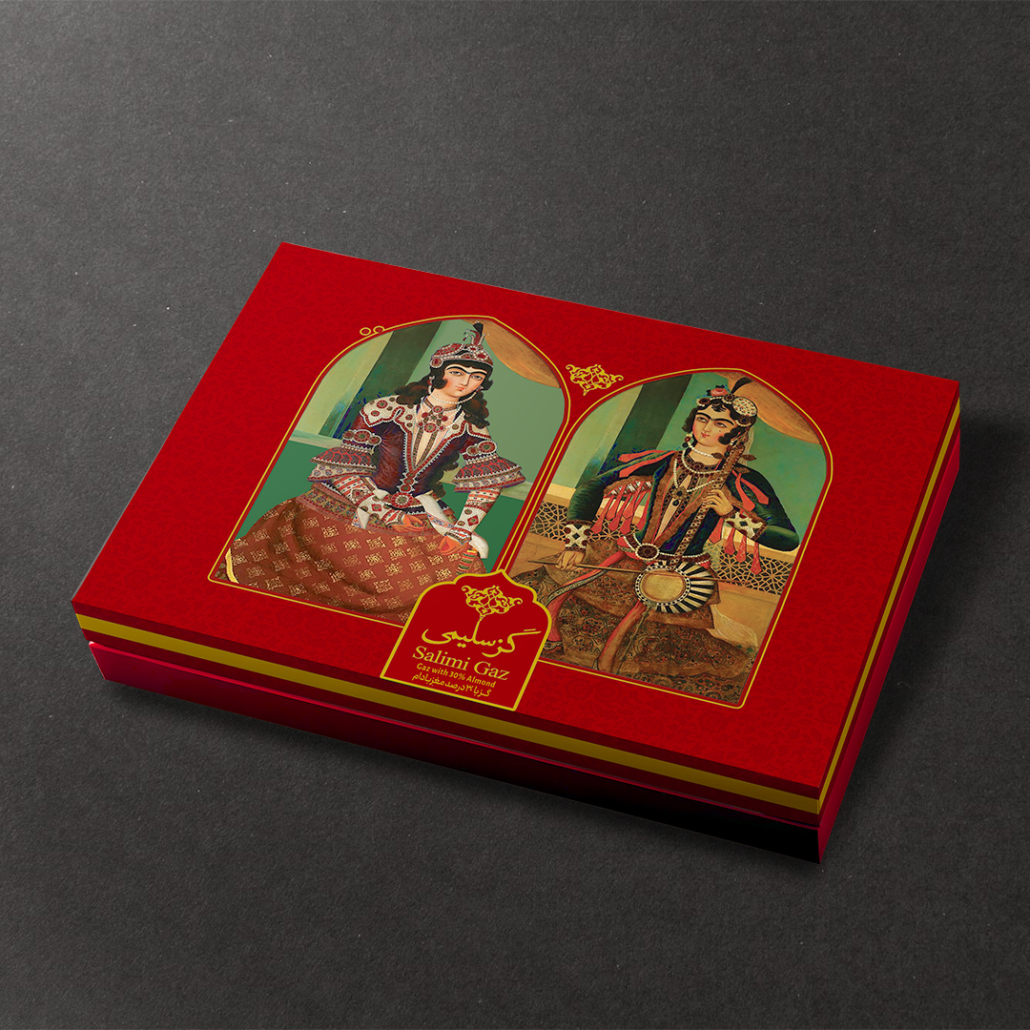
- Applications: Gift boxes, luxury products, industrial transport.
- Advantages: High durability, natural appearance.
- Challenges: Heavy, costly.
- Textile & Natural Fiber Packaging
- Features: Lightweight, reusable, eco-friendly.
- Applications: Fabric bags, gift packaging, promotional bags.
- Advantages: Durable, reusable, promotional.
- Challenges: Low moisture resistance.
- Composite Packaging
- Features: Mix of paper, plastic, foil for extra strength.
- Applications: Dairy, coffee, processed food.
- Advantages: Preserves freshness, lightweight, moisture-resistant.
- Challenges: Harder to recycle.
- Biodegradable & Smart Packaging
- Features: Eco-friendly, biodegradable materials.
- Applications: Food, pharmaceuticals, socially responsible brands.
- Advantages: Environmentally friendly, improves brand image.
- Challenges: Higher production cost, sometimes less durable.
By Structure
- Flexible Packaging
- Soft structure (plastic, foil, paper laminate), lightweight, space-efficient, visually appealing.
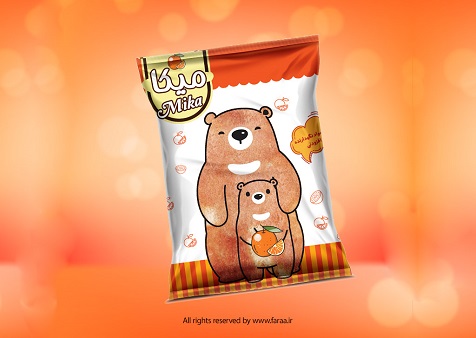
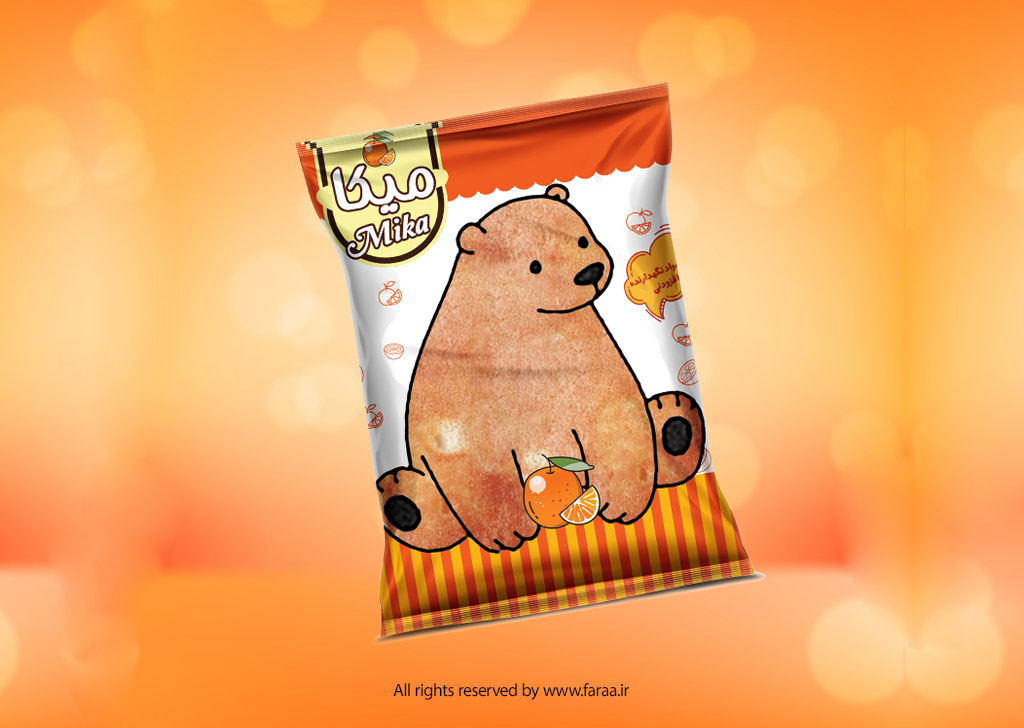
- Applications: Snacks, chocolate wrappers, hygiene products, small apparel/accessories.
- Rigid Packaging (Hardbox)
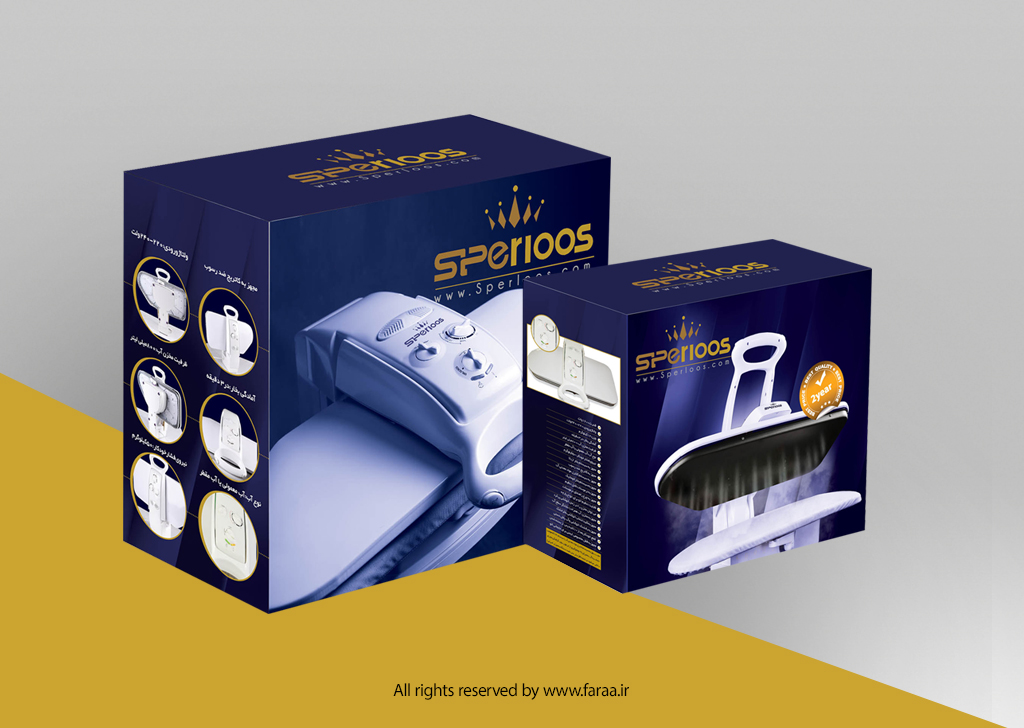
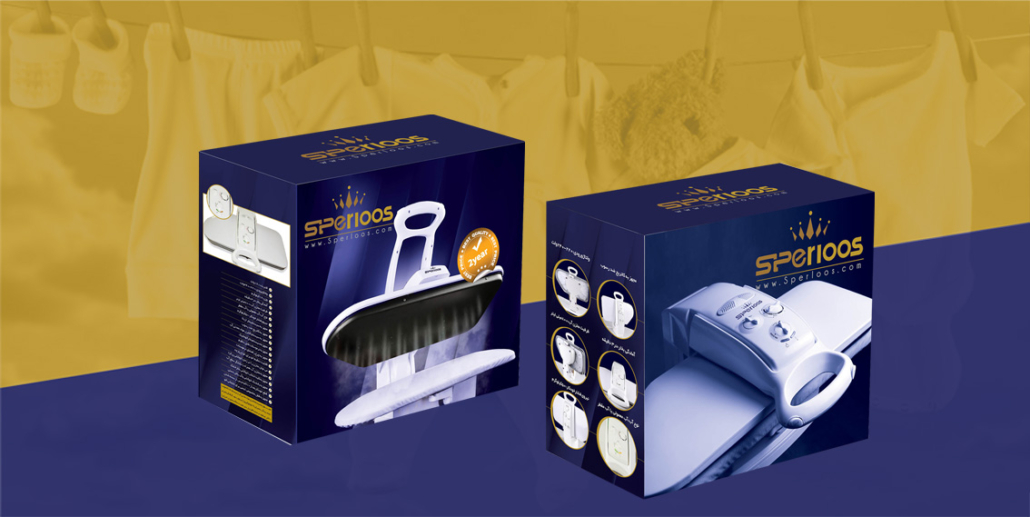
- Non-flexible (glass, metal, hard plastic), durable, premium look.
- Applications: Glass bottles, metal cans, luxury boxes, chemicals, detergents.
By Function in Sales
- Primary Packaging: Directly contacts product. Example: chip bags, beverage bottles.
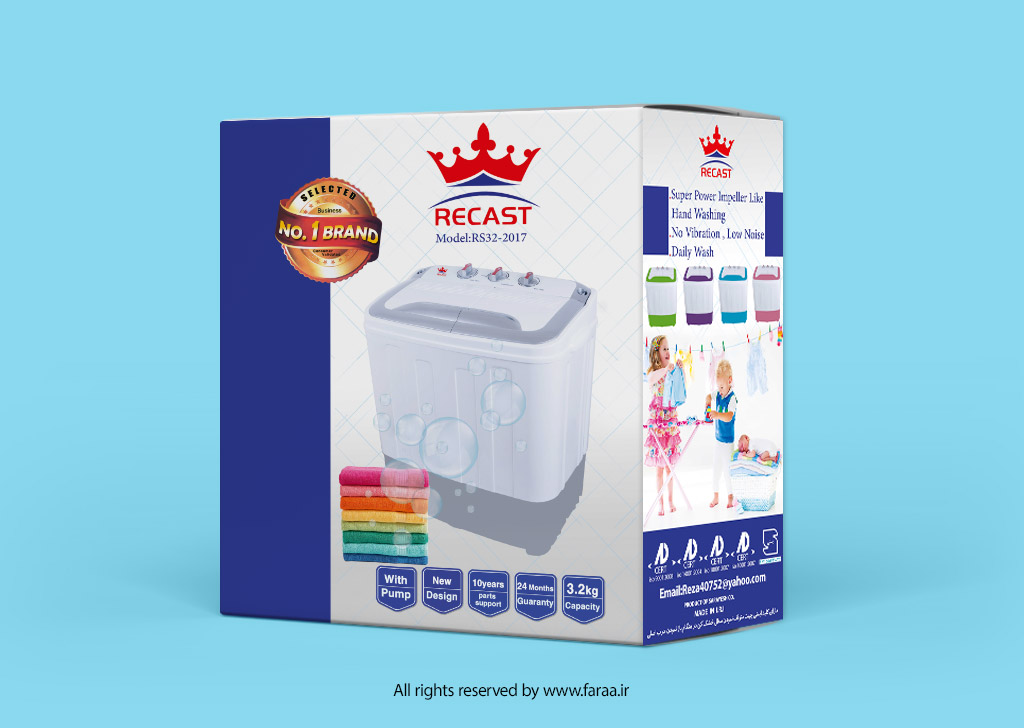
- Secondary Packaging: Protects primary, aids transport, enhances shelf presentation. Example: cardboard packs of multiple beverages.
- Tertiary Packaging: Bulk transport and logistics. Example: master cartons, pallets.
- Quaternary Packaging: For international shipping and long-term storage. Example: shipping containers, chemical transport.
By Market Application
- Food
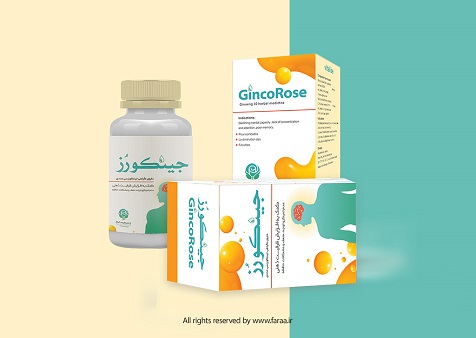
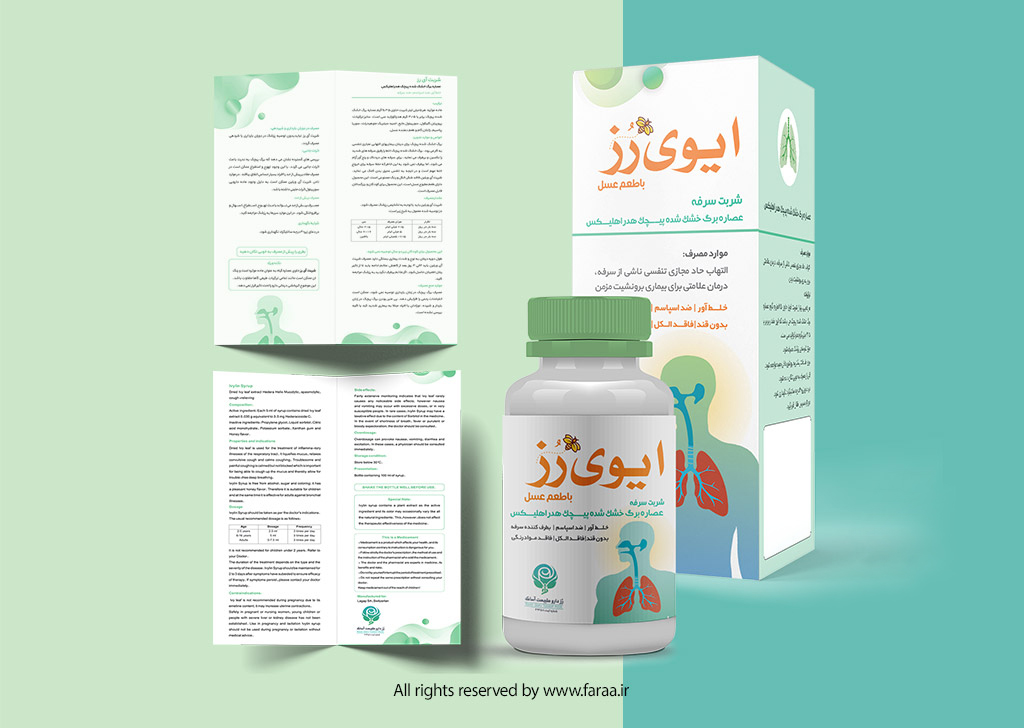
- Pharmaceutical
- Industrial
- Luxury & Gift
- Retail & Promotional
Key Points in Packaging Design
- Bleed: Extra space around design (1.5mm minimum).
- Box Layout: Align fold lines with cardboard flute.
- Cutting Distance: Minimum 3mm between blades.
- Lip Edge (for die-cut machines): Proper alignment prevents miscuts.
- Color & Brand Identity: Match brand colors, CMYK/Pantone standards.
- Font & Readability: Key information must be legible.
- Material Choice: Match product sensitivity, consider eco-friendliness.
- Unboxing Experience: Enhance customer delight.
- Safety & Protection: Prevent damage or tampering.
- Legal Information: Comply with labeling and regulatory standards.
- Transport & Storage: Support palletization, stacking, moisture, and pressure resistance.
Product Packaging and Brand Identity
- Packaging creates brand recognition, protects the product, and ensures ease of transport.
- Research shows consumers take less than 7 seconds to decide on a product—packaging must attract attention immediately.
- Investing in packaging design directly affects sales and brand positioning.
Principles of Successful Packaging
- Safety and health compliance
- Ease of use
- Environmental sustainability
- Brand identity alignment
- Complete information
- Creativity
Dos: Use colors consistent with the product, creative designs, consider cultural aspects, optimize for e-commerce.
Don’ts: Excess harmful plastics, complex opening, illegible fonts, copying competitors.
Impact of Packaging on Sales
- First Impression: Customers decide in the first 7 seconds.
- Emotional Influence: Colors, fonts, images evoke trust, excitement, or luxury.
- Brand Positioning: Brands can stand out among competitors.
- Consumer Loyalty: Creative unboxing builds attachment.
All About Cardboard, Cartons, and Die-Cut
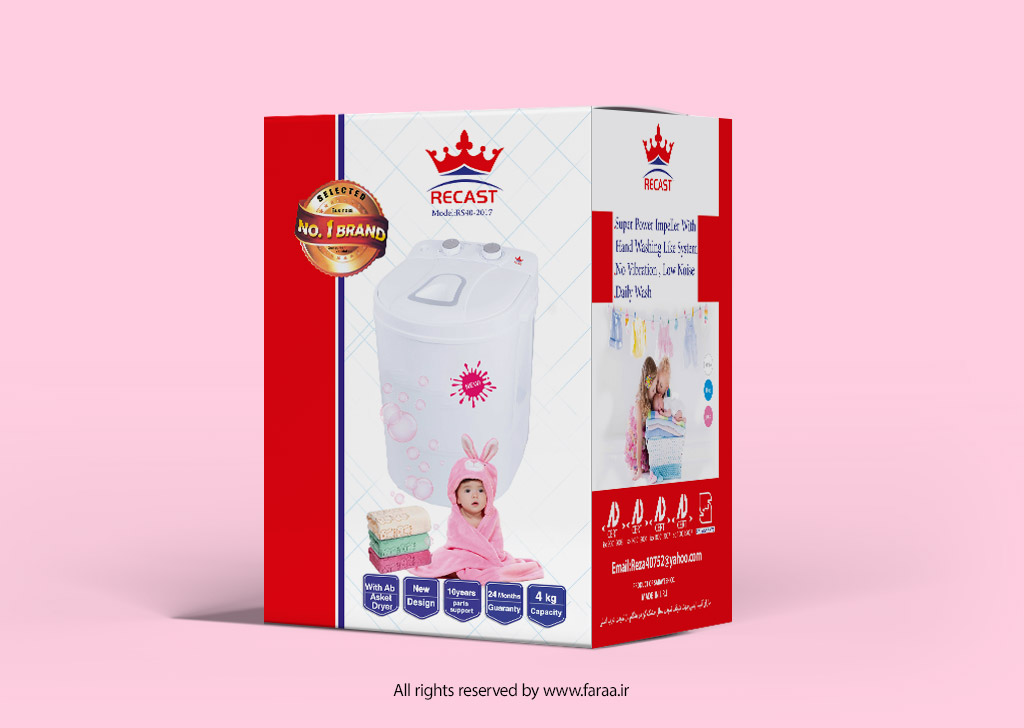
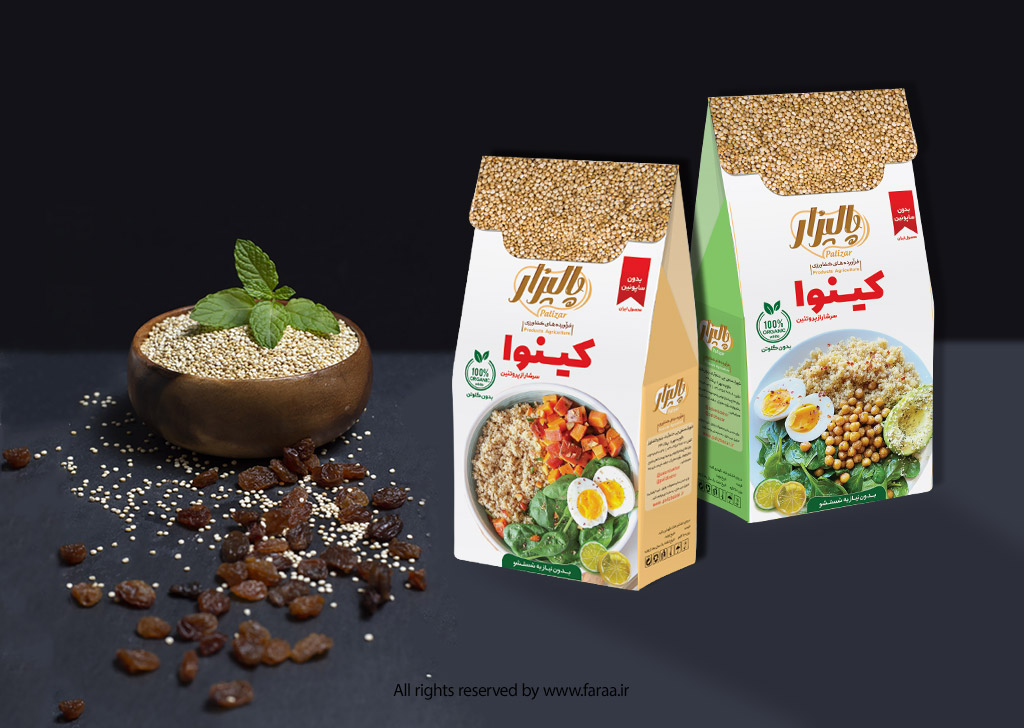
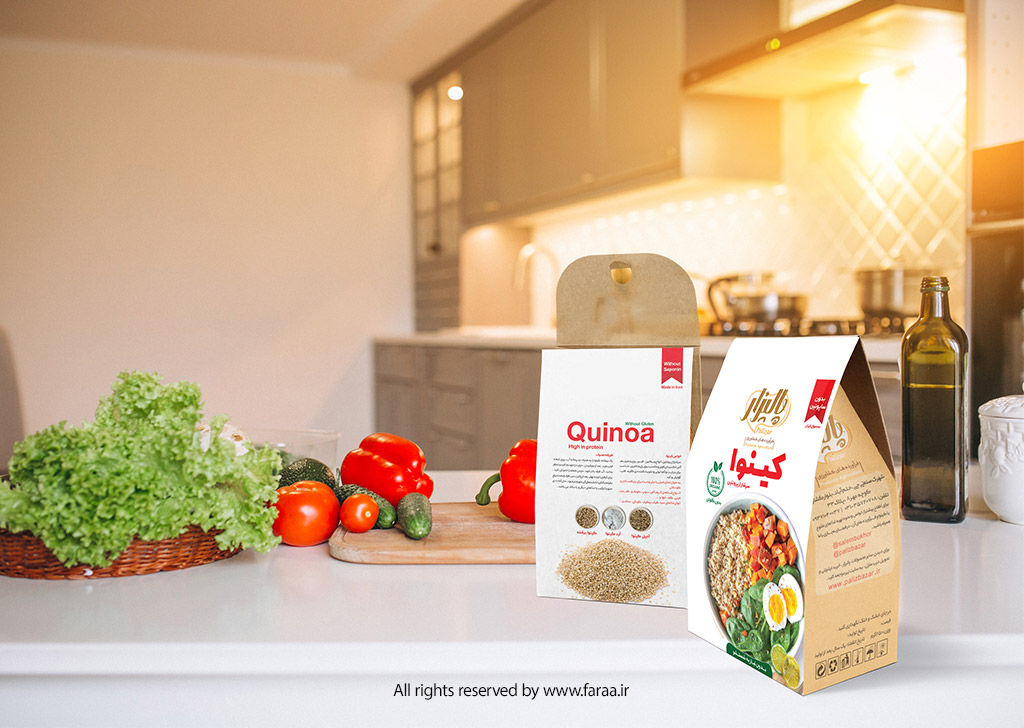
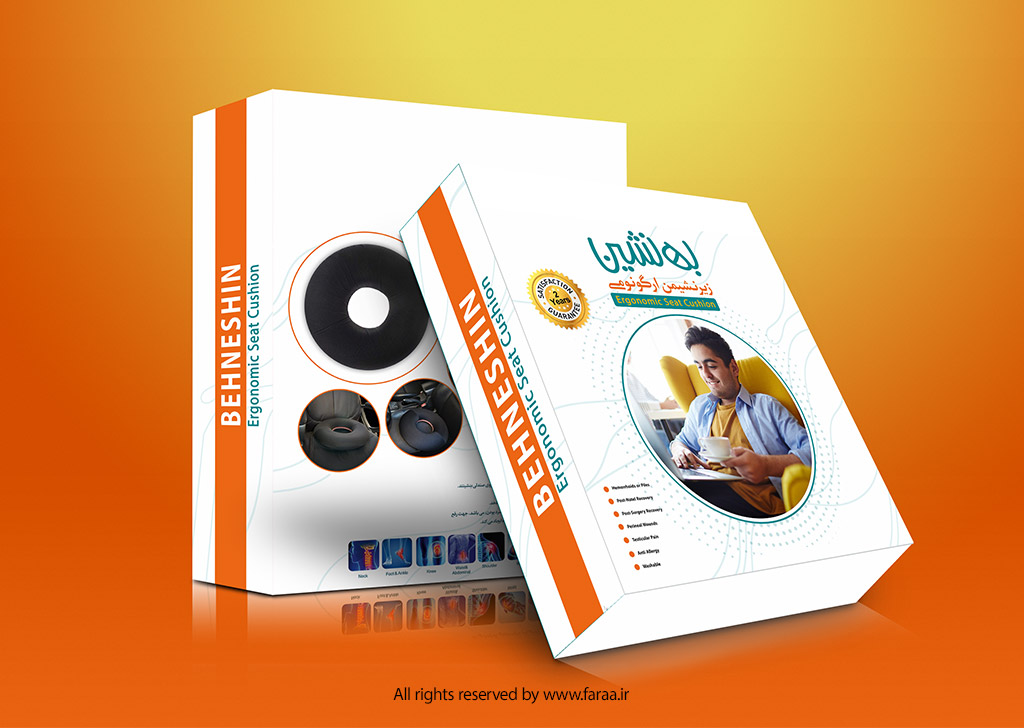
- Importance: Beyond product protection, premium cardboard and precise die-cut templates elevate brand identity.
- Benefits:
- Enhances unboxing experience
- Increases perceived product value
- Differentiates brand visually
- Applications: Food, luxury goods, electronics, promotional gifts
Major Packaging Festivals Worldwide
- Pentawards: Recognizes global packaging creativity and innovation.
- WorldStar Packaging Awards: Organized by WPO, evaluates innovation, sustainability, and performance.
- Red Dot – Packaging Design: Celebrates functional and aesthetic excellence.
- iF Design Award – Packaging: Highlights combination of functionality and beauty.
The Future of Packaging
- Smart Packaging: QR codes, NFC, interactive experiences.
- Sustainable Materials: Recyclable, biodegradable packaging.
- Enhanced User Experience: Easy-to-open, visually attractive.
- Integration with Digital Marketing: Packaging becomes part of social media campaigns.
Conclusion
From ancient times to today, packaging is no longer just a protective cover. It’s an essential tool for branding, marketing, sustainability, and customer experience. Creative, functional, and eco-friendly packaging ensures product safety, delights the consumer, and leaves a lasting impression.


Leave a Reply
Want to join the discussion?Feel free to contribute!