

Everything About Catalog Design, From Concept to Completion
Definition of a Catalog and Its Role in Marketing
A catalog is a strategic marketing and advertising tool designed to showcase a company’s products, services, or brand identity through a combination of text, images, and visual design. It serves as both a visual and informational guide, helping potential customers better understand the features, advantages, and value propositions of what you offer.
From traditional printed versions to today’s digital and interactive catalogs, this medium has remained one of the most effective ways to present products and strengthen brand communication. Whether distributed in trade shows, retail stores, or online platforms, a well-designed catalog continues to play a vital role in connecting brands with their audience.
Types of Catalogs
- Based on Purpose
- Promotional Catalog: Created for trade shows, exhibitions, or marketing events to introduce products or services.
- Corporate Catalog: Highlights a company’s history, mission, and portfolio of projects.
- Retail Catalog: Lists products with prices, specifications, and visuals for easy comparison.
- Industrial Catalog: Used in B2B industries to present machinery, technical equipment, or engineering services in detail.
- Digital or E-Catalog: Interactive or downloadable versions (PDF, HTML, or app-based) for online viewing and sharing.
- Based on Format and Design
- Leaflet or Single-Page Catalog: Simple, budget-friendly, and ideal for quick product introductions.
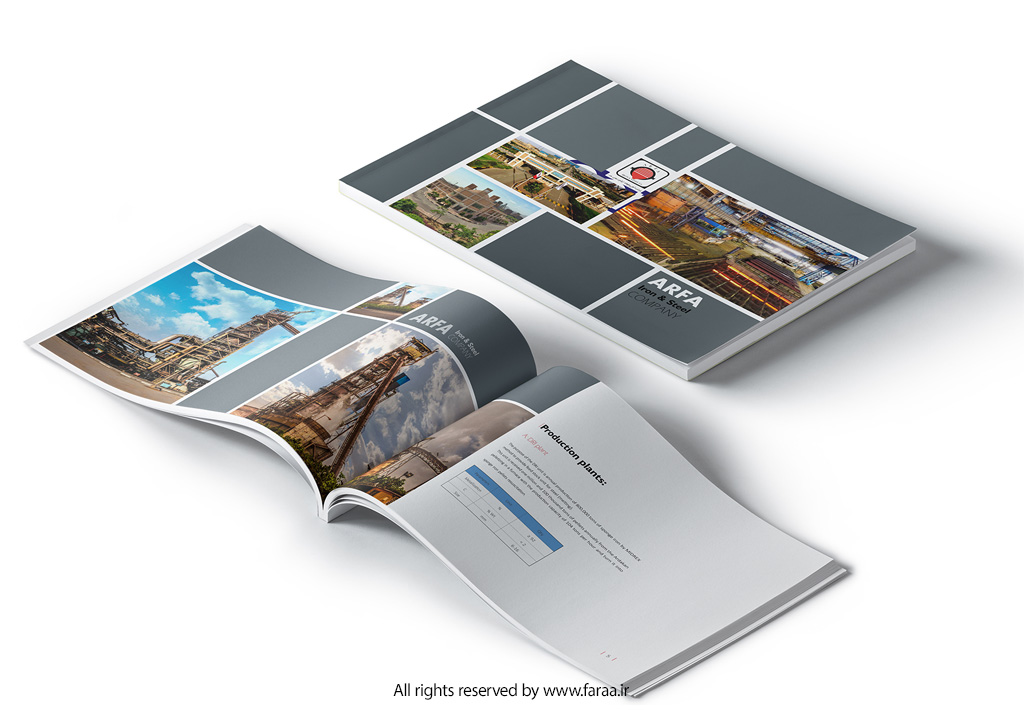
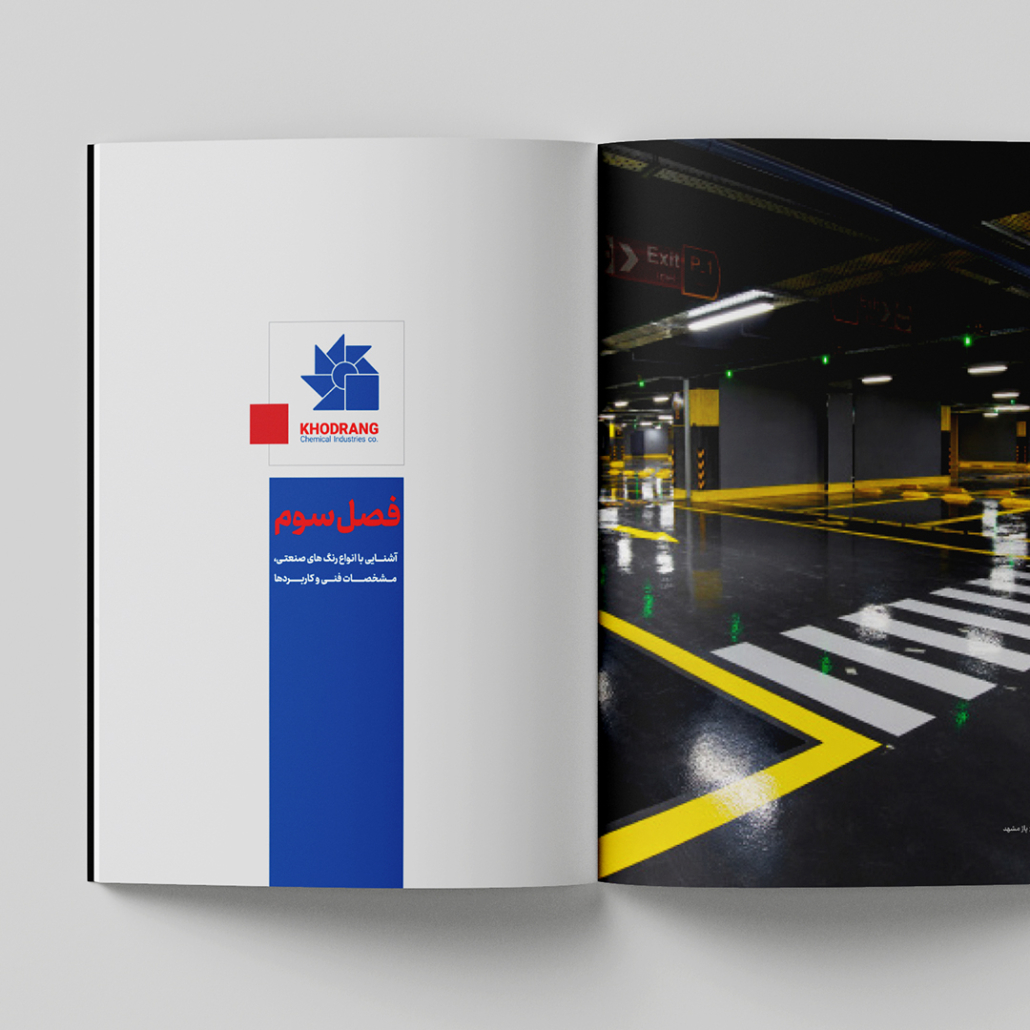
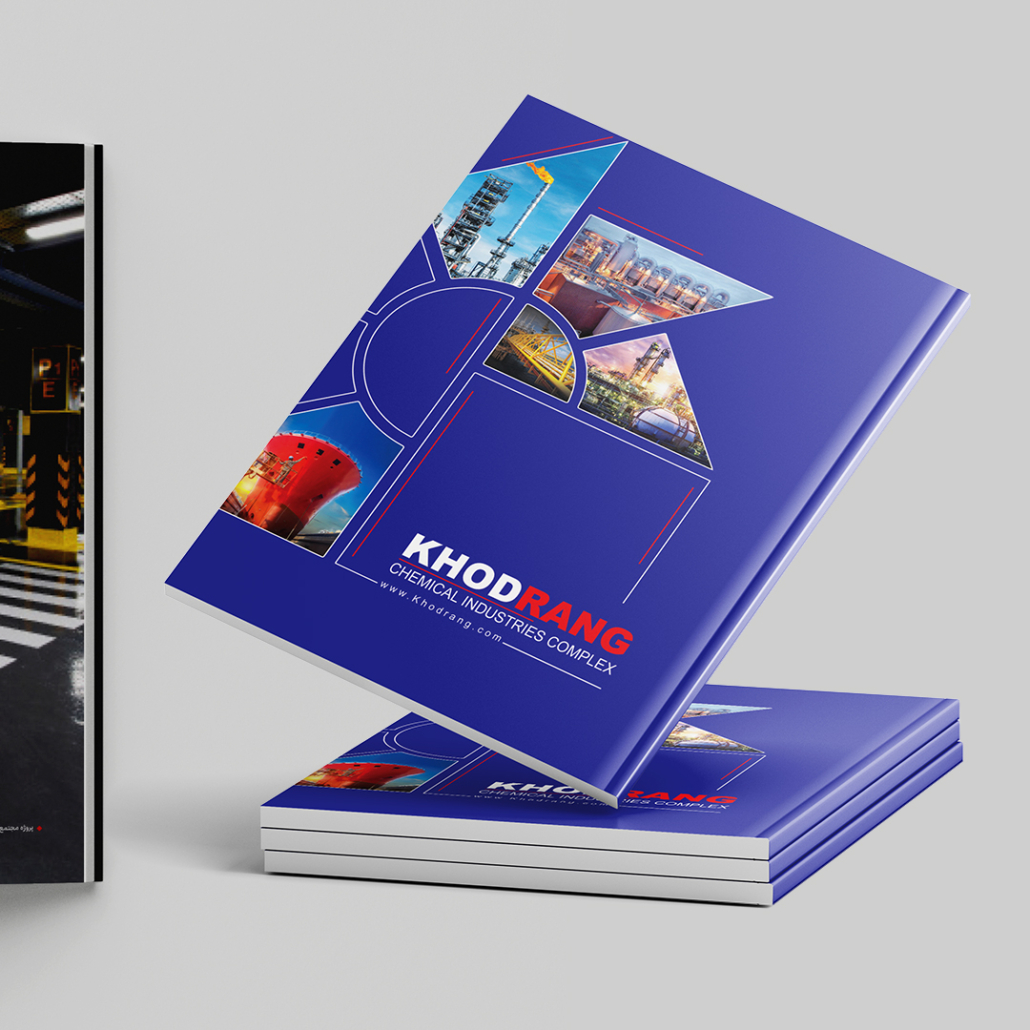
- Booklet Catalog: The most common format with a designed cover, interior pages, and back page.
- Luxury Catalog: Premium edition featuring special finishes (spot UV, embossing, gold foil), thick matte/glossy paper, and creative layouts for luxury brands.
- Interactive Digital Catalog: Includes animations, videos, hyperlinks, and e-commerce integration for an engaging user experience.
- Based on Size and Dimensions
- A4 (21×29.7 cm): The most standard and widely used format.
- A5 (14.8×21 cm): Compact, portable, and suitable for events or giveaways.
- Square Format: Visually distinctive and often used by fashion, design, and creative brands.
- Custom Size: Tailored for brands seeking uniqueness and strong visual differentiation
Why a Catalog Matters
A catalog is far more than a simple booklet, it’s a strategic branding and sales instrument that influences how customers perceive your business and decide to purchase.
- A Branding Powerhouse
Your catalog is often the first physical or digital impression your audience has of your brand. Every element, from layout and photography to typography and paper quality, communicates your brand identity. A well-designed catalog visually reinforces who you are and what you stand for.
- A Practical Buying Guide
A catalog acts as a decision-making assistant for customers. Clear images, concise descriptions, and detailed specifications help them compare options and make informed choices. This structure enhances trust and shortens the buyer’s journey.
- A Silent Sales Representative
Even when your sales team isn’t present, a catalog continues to sell on your behalf. Professionally written copy, persuasive visuals, and engaging design can subtly guide the reader toward conversion, making the catalog an effective offline sales tool.
- Enhancing Brand Differentiation
In competitive markets, presentation matters. A unique, creative catalog helps distinguish your brand from others by showcasing your attention to detail and design sophistication. It positions your brand as trustworthy, innovative, and professional.
- A Bridge Between Offline and Online Marketing
Printed and digital catalogs complement each other perfectly:
- Printed catalogs offer a tangible experience and are ideal for meetings, exhibitions, and retail environments.
- Digital catalogs (PDFs, flipbooks, or web versions) expand your reach, they can be easily downloaded, shared on social media, or embedded in your website.
By integrating both formats, brands achieve greater visibility, engagement, and conversion rates across channels
The Role of Catalogs in Marketing and Sales
A professionally designed catalog is more than a visual showcase, it’s a strategic marketing asset that directly influences customer perception, brand trust, and purchase behavior. Whether printed or digital, it serves as a key component in both offline and online marketing ecosystems.
- Building Trust and Credibility
A high-quality catalog immediately communicates professionalism and reliability. When customers see consistent branding, premium visuals, and clear information, they associate your business with expertise and integrity. This emotional response builds brand confidence and encourages long-term loyalty.
- Strengthening Brand Identity
A catalog is an extension of your visual identity system. Every detail, from color palette and fonts to photography style, should align with your brand guidelines. Consistency across all touchpoints reinforces recognition and helps customers connect emotionally with your brand.
- Supporting the Customer Decision Process
By presenting comprehensive product details, features, benefits, prices, and high-quality images, catalogs simplify the buyer’s decision-making process. Customers feel informed, respected, and empowered, leading to higher satisfaction and purchase intent.
- A Dual-Purpose Marketing Tool: Offline & Online
- Offline Marketing: In exhibitions, trade fairs, and face-to-face meetings, printed catalogs serve as a tangible communication tool that leaves a lasting impression.
- Online Marketing: Digital versions extend your reach beyond physical limits. They can be easily integrated into your website, social media, or email campaigns, ensuring global accessibility and instant sharing.
- Driving Sales, Directly and Indirectly
Research shows that brands using professional catalogs experience significantly higher conversion rates. Why? Because a catalog acts as a silent salesperson, it tells your story, highlights value, and guides potential customers toward action even when no one from your team is present
Steps for Creating Effective Catalog Content
Creating a powerful catalog begins long before the design stage. The foundation lies in strategic content development, understanding your brand, your audience, and the story you want to tell. A well-structured catalog communicates not just what you sell, but why it matters.
Here’s a step-by-step guide to building compelling catalog content:
- Understand the Brand and Its Purpose
Before writing a single line, define the core objective of your catalog:
- Is it meant to introduce your brand?
- Increase sales?
- Educate potential buyers?
- Present technical data or product updates?
The catalog’s tone, structure, and design should all align with its marketing goal, whether it’s brand awareness, lead generation, or customer retention.
- Identify Your Target Audience
Who will read your catalog? Understanding the audience determines your language style, content depth, and visual approach.
- General consumers: Prefer short, engaging text and eye-catching visuals.
- Technical or industrial buyers: Need detailed specifications and factual accuracy.
- Corporate clients or investors: Expect formal tone, case studies, and brand values.
Defining your audience ensures your message connects with the right people.
- Gather Information and Data
Collecting accurate and complete data is essential for credibility. This includes:
- Full list of products or services.
- Technical details (size, material, usage, price, etc.).
- Unique Selling Points (USPs), what sets your brand apart.
- A brief brand story that conveys authenticity.
- Professional imagery, product photos, renders, or lifestyle visuals.
- Develop a Logical Content Structure
A professional catalog must be easy to follow. Organize content in a way that guides the reader naturally through your brand narrative. A common structure includes:
- Cover Page: Logo, tagline, and a strong visual hook.
- Brand Introduction: History, mission, and values.
- Table of Contents: Organized and easy to navigate.
- Product/Service Pages: Images, descriptions, key features, and benefits.
- Portfolio or Case Studies (optional): Real-world examples of your work.
- Contact Page: Website, social links, address, and QR code for quick access.
- Write Clear and Impactful Text
Good catalog writing is informative, persuasive, and concise. Keep sentences short, use active voice, and emphasize customer benefits.
Example:
- ❌ “Our machine operates with a 5kW motor.”
- ✅ “Powered by a 5kW motor for maximum efficiency and long-lasting performance.”
Avoid jargon where possible, clarity and simplicity make your message more memorable and accessible.
- Visual Content Creation
Visual storytelling is just as important as written content. Invest in:
- Professional product photography or industrial photo sessions.
- 3D renderings for products still under development.
- Supporting graphics such as icons, infographics, and charts to simplify complex data.
Images should be consistent in lighting, color tone, and background to maintain a cohesive look.
- Align with Brand Visual Identity
Consistency across all visual elements builds trust. Use your brand colors, typography, and graphic style as defined in your brand guidelines. This visual alignment makes your catalog instantly recognizable as part of your overall identity.
- Editing and Proofreading
Before moving to print or digital publishing:
- Check all texts for grammar and spelling accuracy.
- Verify product specifications and pricing.
- Ensure all images are high resolution and print-ready.
- Review page numbering and overall layout consistency.
- Preparing for Print or Digital Release
For printed versions:
- Use CMYK color mode and 300 DPI resolution for accurate color output.
- Select appropriate paper type and thickness (GSM).
For digital versions:
- Export an interactive PDF or HTML e-catalog optimized for web.
- Include clickable links, navigation buttons, and downloadable options.
- How Content Influences Sales
Well-crafted content transforms your catalog into a powerful sales driver.
It helps customers make confident decisions, reinforces brand reliability, and provides your sales team with a persuasive visual tool that speaks for your business, anytime, anywhere
Catalog Graphic Design
Design is the silent ambassador of your brand, and in a catalog, it speaks louder than words. A thoughtfully designed catalog not only presents information clearly but also strengthens your brand image, guiding customers through an enjoyable and persuasive visual journey.
Here are the main principles that define professional catalog design:
- Layout and Structure
The layout determines how information flows. A good structure should follow a logical visual rhythm:
- Begin with a strong cover design that sets the tone.
- Introduce brand story or mission statement in the opening pages.
- Present products in organized sections (e.g., by category, use, or style).
- End with a call to action, contact info, QR codes, or social media links.
- Visual Hierarchy and Focus
Effective catalogs guide the reader’s eyes naturally. Use typographic contrast, color accents, and spacing to direct attention to key messages or featured products. Consistency in alignment and style enhances readability and professionalism.
- Color Palette
Choose a color palette that reflects your brand identity and emotional tone:
- Warm colors convey energy and passion.
- Cool colors suggest trust and calm.
- Neutral tones create elegance and balance.
Colors should enhance photography and typography, not overpower them.
- Typography and Readability
Typography defines personality. Select two complementary font families, one for headings and another for body text. Maintain consistent sizing, line spacing, and alignment for a harmonious look.
Readable typography encourages longer engagement and a better overall experience.
- Imagery and Composition
Use high-resolution images and maintain consistency in framing, lighting, and styling. Every photo should align with the catalog’s overall narrative. Combine full-page visuals with smaller product images for rhythm and balance.
- Brand Integration
A professional catalog is an extension of the brand’s visual language. Include consistent use of your logo, icons, graphic patterns, and tone of voice. This coherence builds familiarity and reinforces recognition across marketing materials.
- Balance Between Creativity and Function
While creativity attracts attention, clarity drives conversion. The best catalog designs balance aesthetic innovation with usability, ensuring that creativity never disrupts information flow or product focus
Color, Font, and Visual Style Guidelines
A catalog’s visual language reflects how your brand feels, communicates, and connects with its audience. The right combination of color, typography, and graphic elements builds emotional resonance and visual consistency across every page.
Here’s how to create a cohesive and impactful visual system:
- Color Psychology and Brand Emotion
Color is more than decoration, it’s emotion in visual form. The right palette sets the mood and influences perception.
- Red → energy, excitement, and urgency (ideal for sales or limited offers)
- Blue → trust, reliability, and calm (common in corporate or tech brands)
- Green → balance, growth, and sustainability (used for eco-friendly brands)
- Black and Gold → luxury, exclusivity, and confidence
- White and Neutrals → simplicity, modernity, and sophistication
Use no more than three dominant colors and a few secondary accents to maintain visual harmony. Always ensure high contrast between text and background for readability.
- Typography That Speaks Your Brand
Typography defines tone and professionalism. The goal is to find fonts that express your brand’s character while keeping legibility at every size.
- Sans-serif fonts (e.g., Helvetica, Lato, Montserrat) → modern, minimal, and clean
- Serif fonts (e.g., Playfair Display, Times New Roman) → classic, elegant, and trustworthy
- Display fonts → artistic titles or creative headlines (use sparingly for emphasis)
Maintain consistency by defining:
- Primary and secondary font families
- Hierarchy (Headings → Subheadings → Body text → Captions)
- Font sizes and line spacing for print standards
- Graphic Elements and Iconography
Icons, dividers, shapes, and visual motifs support navigation and reinforce brand aesthetics. For example:
- Use thin-line icons for minimal, modern brands.
- Apply geometric shapes for tech-oriented or industrial catalogs.
- Integrate organic patterns or textures for natural or handmade product lines.
Visual consistency builds subconscious trust, customers recognize your brand even before reading a word.
- Maintaining Brand Consistency Across Platforms
Your catalog should look and feel like an extension of your website, packaging, and digital campaigns.
Create a Brand Style Guide that specifies:
- Color codes (CMYK, RGB, HEX)
- Font usage rules
- Logo placement and spacing
- Do’s and Don’ts for visual application
This ensures a unified brand image across print and digital touchpoints
Photography, Imagery, and Visual Composition
In catalog design, imagery is storytelling. Each photo, illustration, and visual element carries emotional weight, influencing how customers perceive your products and how likely they are to engage or purchase.
A professional catalog transforms simple product photos into a visual narrative that builds trust and desire.
- The Role of Photography in Catalogs
High-quality images are the core of visual communication. They make products tangible, appealing, and credible. Poor or inconsistent photography can instantly reduce perceived value, even if the product is excellent.
Professional catalogs use photography to:
- Highlight product quality and detail
- Reflect brand personality and lifestyle
- Create a cohesive visual atmosphere that aligns with design and color palette
- Product Photography Best Practices
For effective catalog visuals, consistency is key. Consider:
- Lighting: Soft, balanced lighting eliminates harsh shadows and creates natural depth.
- Angles: Show key details and realistic proportions.
- Backgrounds: Use clean, neutral backgrounds or contextual settings that reinforce the brand tone.
- Scale and proportion: Include real-world references when needed (e.g., hand holding a product).
- Retouching: Subtle enhancement is fine, but avoid over-editing that distorts authenticity.
- Lifestyle Photography and Contextual Shots
While product-only shots show clarity, lifestyle imagery tells the story. It helps customers imagine your product in their own life.
For example:
- A kitchenware brand might show a warm, lived-in kitchen scene.
- A construction equipment company might show its machines in action.
- A fashion catalog might present its clothing on real people, in natural lighting.
These emotional visuals create connection and aspiration, two elements that drive conversions.
- Composition and Visual Balance
Effective composition keeps the reader’s attention flowing naturally across the page.
Key rules include:
- The Rule of Thirds: Place subjects along grid intersections for visual interest.
- Negative Space: Leave breathing room, it emphasizes the product and prevents visual clutter.
- Focus and Depth: Use shallow depth of field to isolate key details.
Every element, from margins to image alignment, should guide the viewer’s eye without distraction.
- Integrating Graphics with Photography
Combine photography and graphic design thoughtfully. Use overlays, shapes, or frames to enhance structure, not overpower it.
For example:
- Light color blocks behind products to improve contrast.
- Transparent shapes for modern layering effects.
- Subtle shadows and reflections for realism.
When images and graphics blend seamlessly, your catalog feels polished, immersive, and premium.
Printed vs. Digital Catalogs
Today, catalogs exist in both physical and digital formats, each offering unique advantages. Smart brands leverage both to create a multichannel marketing experience that drives engagement, trust, and sales.
- Printed Catalogs, Tangibility and Credibility
Printed catalogs provide a physical, tactile experience that strengthens brand perception:
- Creates a lasting impression during exhibitions, meetings, and retail interactions.
- Enhances credibility and professionalism through premium paper, finishes, and binding.
- Encourages prolonged browsing, customers tend to spend more time with a well-designed printed catalog.
Printed catalogs work best for:
- High-end products or luxury brands
- Industrial and technical equipment catalogs
- Trade shows, client meetings, or direct mail campaigns
- Digital Catalogs, Reach, Accessibility, and Interactivity
Digital catalogs are versatile and globally accessible:
- Can be embedded on websites, shared via email, or linked on social media.
- Support interactive features like clickable links, videos, animations, and online purchase options.
- Easy to update, product changes, pricing updates, or seasonal promotions can be applied instantly.
Digital catalogs are ideal for:
- E-commerce platforms and online marketing campaigns
- Engaging younger or tech-savvy audiences
- Global reach without printing or distribution costs
- Combining Print and Digital for Maximum Impact
The most effective strategy is integrating both formats:
- Use printed catalogs for physical engagement and to leave a tangible impression.
- Provide digital versions for instant access, sharing, and interactive experiences.
- Include QR codes in printed catalogs linking to digital content, bridging offline and online experiences.
By combining print and digital, brands achieve:
- Higher brand visibility and recognition
- Greater customer engagement and retention
- Seamless sales funnels from initial exposure to purchase
- Choosing the Right Approach
Decide based on your:
- Audience preferences
- Marketing goals
- Budget and production timelines
Even a single catalog can exist as both a print masterpiece and a digital powerhouse, offering complementary advantages that reinforce each other.
Catalog Sizes & Formats
The size and format of a catalog not only affect its visual appeal but also influence usability, portability, and reader engagement. Choosing the right dimensions ensures that your catalog communicates effectively while reinforcing brand identity.
- Standard Sizes
- A4 (21×29.7 cm):
- The most widely used format, ideal for most industries.
- Provides ample space for high-quality images and detailed text.
- Works well for both print and digital layouts.
- A5 (14.8×21 cm):
- Smaller and more portable, making it suitable for trade shows or gift catalogs.
- Easier to handle and distribute, yet still offers enough space for product information.
- Square Format (e.g., 20×20 cm or 21×21 cm):
- Unique and eye-catching, often used by fashion, lifestyle, or creative brands.
- Breaks the monotony of standard rectangular catalogs, emphasizing creativity.
- Custom Sizes
- Custom formats allow brands to stand out from competitors and create memorable experiences.
- Can include vertical, horizontal, or unconventional shapes to reflect brand personality.
- Must consider printing constraints, binding options, and production costs.
- Format Considerations
When selecting a catalog size, consider:
- Content Volume: More pages or detailed products may require larger formats like A4.
- Audience: Portability is key for trade shows (A5) or direct mail.
- Brand Image: Square or custom sizes can convey creativity, innovation, or luxury.
- Balancing Functionality and Design
The ideal catalog format strikes a balance between:
- Visual impact: Large enough for images and infographics.
- Ease of use: Comfortable to hold and flip through.
- Brand identity: Format should align with overall brand tone and positioning.
A thoughtful choice of size enhances reader engagement, comprehension, and brand perception, making your catalog both functional and memorable
Paper Type & Weight (GSM)
The choice of paper directly impacts how your catalog is perceived. It affects color vibrancy, readability, durability, and overall brand image. A well-chosen paper creates a tangible sense of quality and professionalism.
- Common Paper Types
- Glossy Coated Paper:
- Reflective surface that makes colors and images pop.
- Ideal for catalogs with rich photography and vibrant visuals.
- Matte Coated Paper:
- Smooth, non-reflective finish for a more sophisticated and modern look.
- Reduces glare and enhances text readability.
- Uncoated Paper (Offset / Text):
- Provides a natural, organic feel.
- Often used for eco-friendly brands or minimalist catalogs.
- Kraft Paper:
- Rough texture for artisanal or sustainable branding.
- Gives a distinct and memorable tactile experience.
- Pape Weight (GSM)
The weight of the paper determines sturdiness and perceived value:
- Interior Pages:
- Typically 135–150 gsm for high-quality visual presentation.
- Balances flexibility with durability.
- Cover Pages:
- Usually 250–300 gsm, often with additional coating or lamination.
- Provides protection and enhances tactile appeal.
- Finishes and Coatings
Special finishes can elevate the catalog’s premium feel:
- UV Coating / Spot UV: Adds gloss to selected areas like logos or images.
- Soft-Touch Lamination: Velvety surface for luxury appeal.
- Embossing / Debossing: Creates tactile impressions for logos or patterns.
- Matching Paper to Brand Identity
Selecting the right paper aligns with your brand personality and target audience:
- Luxury brands → heavier, glossy or soft-touch paper with premium finishes.
- Eco-conscious brands → recycled or uncoated natural textures.
- Mass-market catalogs → lighter, cost-effective coated paper for bulk distribution.
- Impact on Reader Experience
- Enhances perception of quality and professionalism.
- Improves image sharpness and color reproduction.
- Offers pleasant tactile feedback, increasing engagement and memorability.
Impact of Catalogs on Marketing & Sales
A professionally designed catalog is more than just a product listing, it’s a strategic marketing tool that builds trust, supports brand recognition, and drives both direct and indirect sales.
- Building Trust and Brand Credibility
- High-quality design and print signal professionalism and reliability.
- Customers are more likely to engage with brands that invest in premium visual communication.
- A polished catalog reinforces brand legitimacy and encourages customer confidence.
- Supporting Brand Identity and Storytelling
- Catalogs communicate your brand values, mission, and personality through design, imagery, and messaging.
- Consistent visual identity across catalog, website, and social media strengthens brand recall.
- Engaging storytelling with visuals and text makes products more memorable.
- Assisting Customer Decision-Making
- Detailed product descriptions, technical specifications, and high-quality images empower customers to make informed choices.
- Clear presentation of USPs (Unique Selling Points) guides the buying process and reduces hesitation.
- Combination of textual clarity and visual storytelling increases conversion rates.
- Offline and Online Marketing Integration
- Printed catalogs serve as tangible marketing tools for trade shows, retail locations, and direct mail campaigns.
- Digital catalogs expand reach globally, offering interactivity and instant access.
- QR codes and embedded links bridge offline and online channels, creating a seamless customer journey.
- Driving Direct and Indirect Sales
- Catalogs act as silent salespeople, working 24/7 to showcase products.
- They can increase average order value by highlighting complementary products.
- Well-crafted catalogs contribute to customer loyalty, as buyers associate quality presentation with product reliability.
- Measurable ROI
- Brands that strategically use catalogs often see higher engagement and purchase intent.
- Metrics include inquiries, downloads, website visits, and conversion rates from QR code or online catalog interaction.
- Catalogs are cost-effective marketing assets with long-term visibility compared to short-lived ads
Conclusion & Takeaways
A professional catalog is the perfect synthesis of design, content, and strategy. When executed thoughtfully, it acts as a brand ambassador, sales tool, and marketing asset all in one.
- Key Components of a Successful Catalog
- Content: Clear, concise, and customer-focused text that communicates benefits and USPs.
- Design & Layout: Visually appealing structure, strong hierarchy, and seamless integration of images and graphics.
- Paper & Print: High-quality materials, finishes, and printing techniques that enhance tactile and visual impact.
- Brand Consistency: Colors, fonts, logos, and tone of voice aligned with the overall brand identity.
- Distribution: Strategic delivery in both print and digital formats to reach the target audience effectively.
- Business Impact
- Brand Credibility: Professional catalogs build trust and reinforce brand reputation.
- Sales Growth: Detailed visuals and product information help customers make faster and informed purchase decisions.
- Marketing Integration: Acts as a complementary tool alongside digital campaigns, social media, and offline promotions.
- Customer Engagement: Creates lasting impressions and encourages repeat interactions with the brand.
- The Modern Approach
- Combining printed and digital catalogs maximizes reach, engagement, and ROI.
- High-quality imagery, professional layout, and tactile finishes ensure a memorable customer experience.
- Strategic storytelling and consistent branding turn a catalog into a powerful marketing and sales engine.
Final Takeaway
A catalog is not merely a list of products, it’s a strategic investment in brand perception, customer trust, and sales performance. When content, design, and production are aligned, it becomes a silent yet highly effective salesperson that works around the clock to promote your brand


Leave a Reply
Want to join the discussion?Feel free to contribute!