Table of Contents
- What is a Brand Book?
- History of Brand Books
- Brand Book Over Time
- Types of Brand Books
- Steps to Design a Professional Brand Book
- Features of a Professional Brand Book
- Key Components of a Standard Brand Book (Brand Book / Brand Guidelines)
- Key Tips for a Standard Global Brand Book
- Importance of a Brand Book for Brands
- Benefits of Having a Professional Brand Book
- Common Mistakes in Brand Book Design
- Key Notes
- Dos and Don’ts
- Brand Book Application Examples
- Brand Identity in a Brand Book: How It Is Defined
- Brand Book and Business Needs: Why Every Brand Requires It
- Brand Book Design Cost
- Conclusion and Final Recommendations
What is a Brand Book?
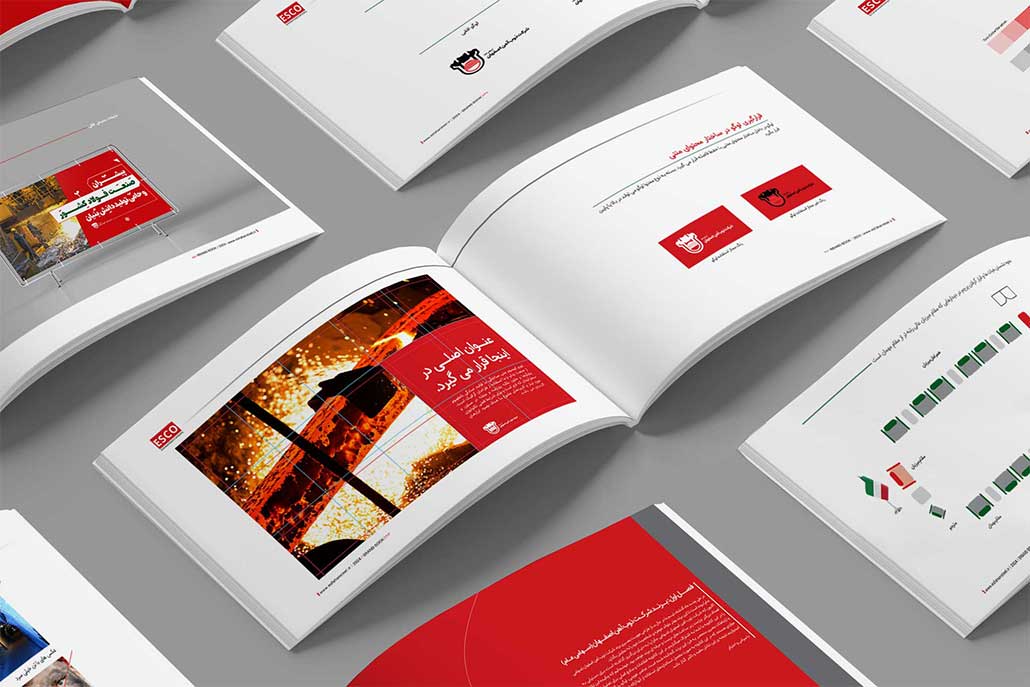
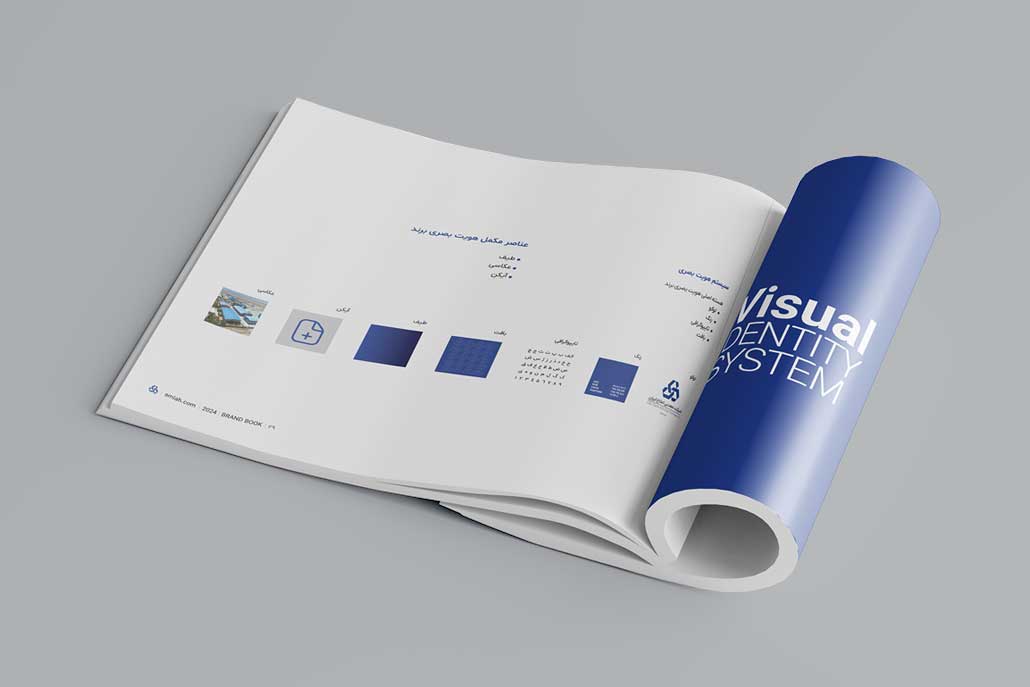
A brand book, or visual identity manual, is a comprehensive and official document that defines and standardizes all visual and identity elements of a brand. It includes logos, colors, fonts, imagery, content tone, and practical usage examples. The ultimate goal is to ensure consistency and cohesion across all brand activities.
Persian Names for Brand Book
- دفترچه هویت برند
- راهنمای هویت بصری
- راهنمای برند
- دفترچه راهنمای برند
- استانداردهای برند
English Names for Brand Book
- Brand Book – most common and general
- Brand Guidelines – emphasizes rules and standards
- Brand Manual – official and complete version
- Visual Identity Guidelines – focus on visual identity
- Corporate Identity Manual – often for large corporate brands
- Style Guide – sometimes focuses on fonts, colors, and content style
Note: In Persian, terms like “راهنمای لوگو” or “کتاب برند” are sometimes used incorrectly; the accurate term is Brand Book or دفترچه هویت برند.
History of Brand Books
The origin of brand books stems from the need for standardizing visual identity.
- 1950s: Industrial and advertising brands in the US and Europe first recognized the need for visual cohesion, leading to the creation of the first brand books.
- Subsequent Decades: Brand books evolved to include content and advertising guidelines.
- Digital Era: Today, brand books cover social media guidelines, motion graphics, packaging, and digital advertising—not limited to print.
Brand Book Over Time
With digital growth and social media, brand books have evolved from printed documents to interactive and digital guides, including:
- Social media standards (posts, stories, reels)
- Motion graphics and video examples
- Packaging and label design
- Content style for websites and marketplaces
Impact: Brand books have become key tools for marketing and design teams globally.
Types of Brand Books
- Visual Brand Book: Focuses on logo, color, font, and elements.
- Complete Brand Book: Includes visual and content elements with practical examples.
- Digital Brand Book: Designed for social media and digital marketing use.
Steps to Design a Professional Brand Book
A professional brand book is a complete document defining visual identity and brand principles for everyone associated with the brand. A standardized brand book ensures that brand messages, designs, and marketing strategies are consistent and professional.
- Brand Analysis & Discovery
Foundation of brand book design is a deep understanding of the brand. Without proper analysis, the brand book cannot convey the true brand identity.
Analysis Steps:
- Mission and values: What drives the brand?
- Audience persona: Age, gender, interests, needs, buying behavior.
- Competitor analysis: Strengths and weaknesses of rivals.
- Brand messaging: What emotions and messages are conveyed to customers?
- Brand positioning: Luxury, budget, professional, or friendly?
Result: A roadmap for visual and content identity design.
- Logo & Visual Elements Design
After analysis, the visual identity is created. Key elements include:
- Logo: Unique, recognizable, aligned with brand personality.
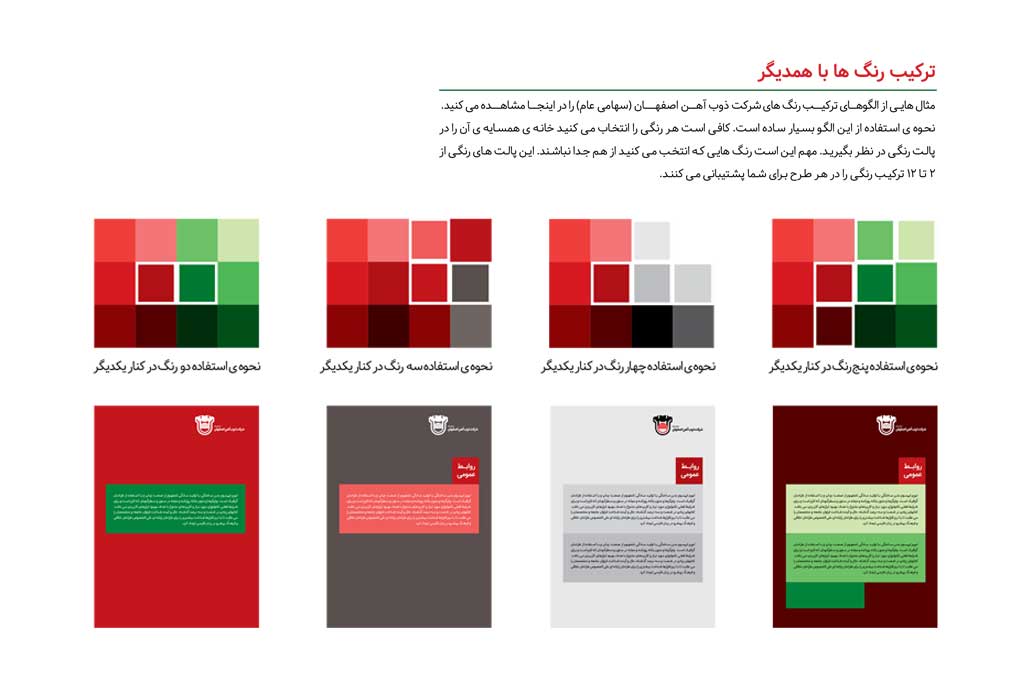
- Color Palette: Consistent across all media, conveys brand identity.
- Typography: Primary and secondary fonts that reinforce brand messaging.
- Graphic Elements & Icons: Complementary visuals for packaging, website, and advertising.
- Imagery Style: Cohesive photography and graphics aligned with brand personality.
Result: A complete set of visual elements ready for all media.
- Brand Guidelines
Defines visual and behavioral rules so all teams present the brand consistently.
Key Areas:
- Logo usage: size, safe zones, color versions.
- Color usage: combination rules for print and digital.
- Typography: font sizes and hierarchy.
- Imagery style: angles, lighting, effects.
- Brand voice & tone: for social media, website, email, and ads.
- Dos & Don’ts: real examples for clarity.
Result: A cohesive, professional brand identity across all touchpoints.
- Brand Book Documentation
All elements and guidelines are compiled into a comprehensive and standard document.
Key Sections:
- Brand introduction & mission
- Market analysis & audience persona
- Logo & variations
- Color palette & usage guide
- Typography
- Graphic elements & imagery style
- Brand voice & tone
- Practical applications (advertising, packaging, website, social media)
Professional Brand Book Features:
- Comprehensive and practical for all teams
- Visually appealing with real examples
- Updatable with brand growth
Key Components of a Standard Brand Book (Brand Book / Brand Guidelines)
A professional brand book defines all brand elements according to global standards, ensuring consistency across all customer touchpoints.
Contents Should Include:
- Mission & values
- Logo & variations
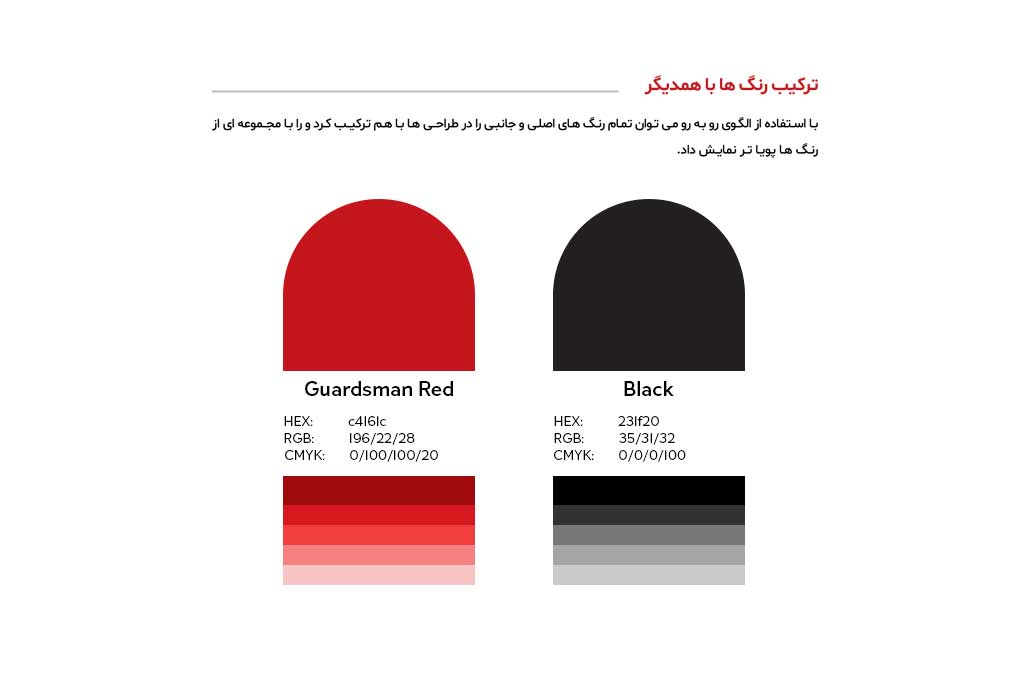
- Official colors & palettes
- Effects (shadows, highlights, borders)
- Fonts
- Icons & mascot
- Photography rules
- Layout & grid for brochures, websites, stationery
- Packaging design & materials
- Environmental & signage design
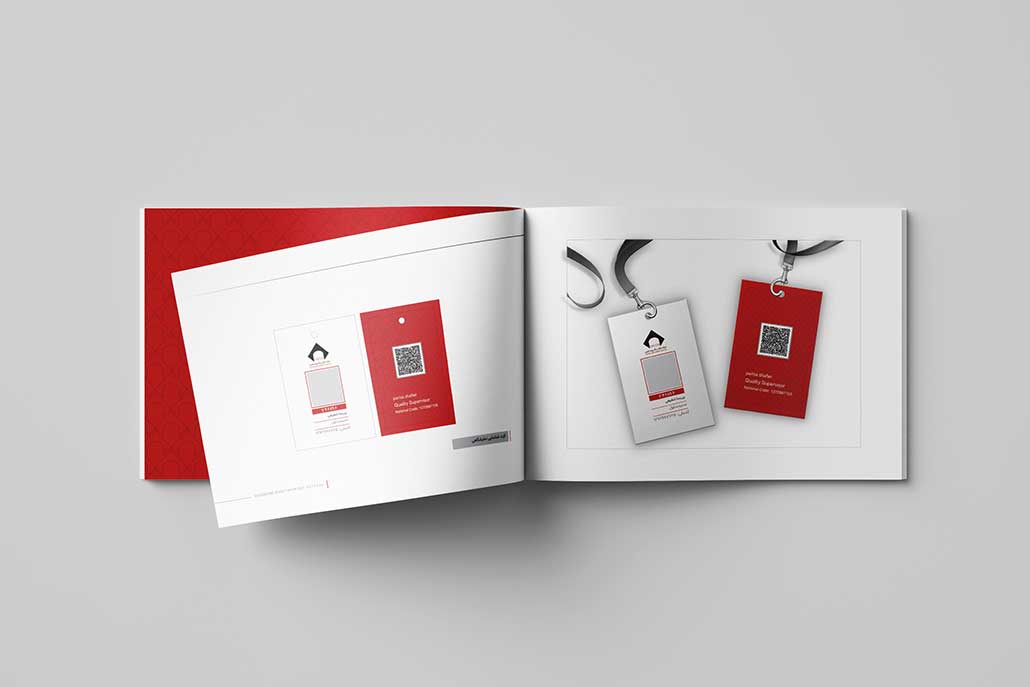
- Staff uniforms
- Advertising templates & motion graphics
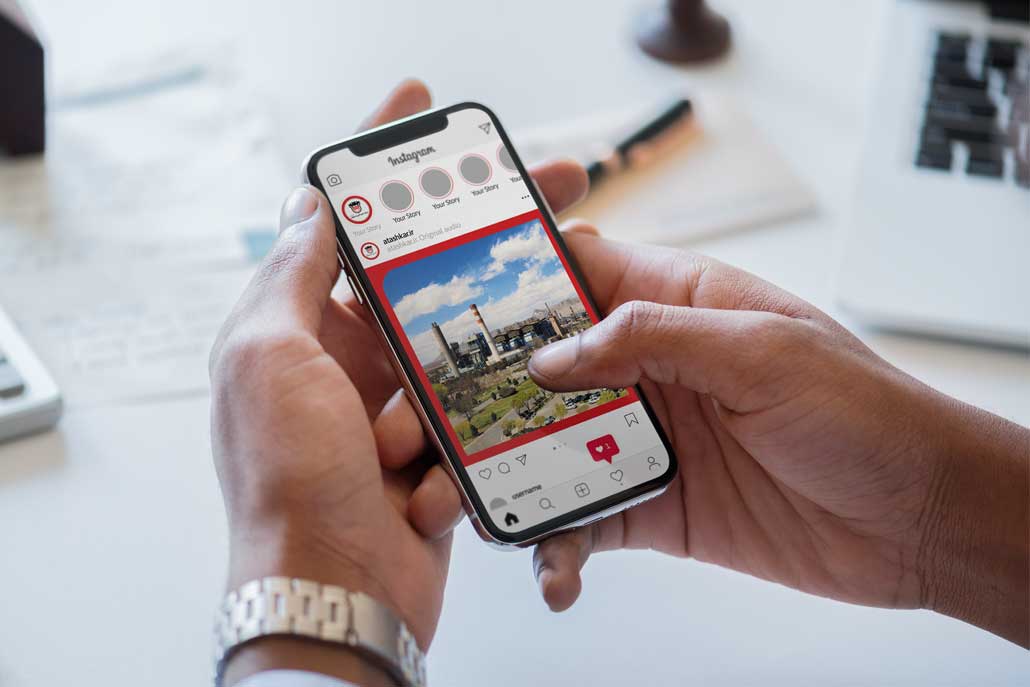
- Social media templates, stickers, and avatars
Detailed Components
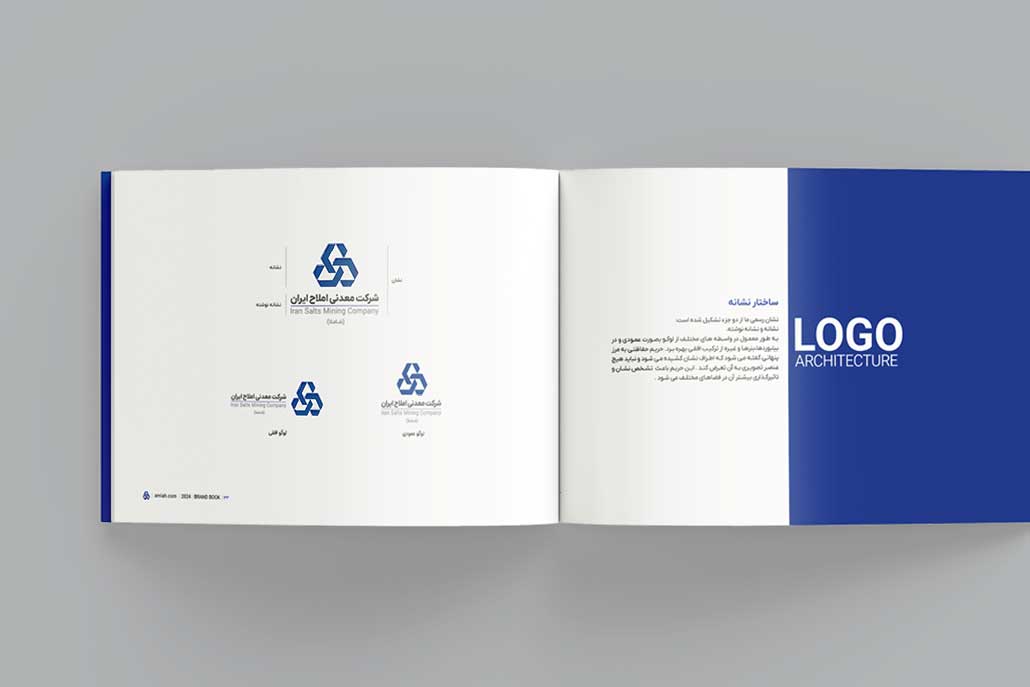
- Logo & Variations
- Primary logo
- Secondary/alternative logo
- Monogram logo
- Clear space / safe zone
- Color and B&W versions
- Brand Color Palette
- Primary & secondary colors
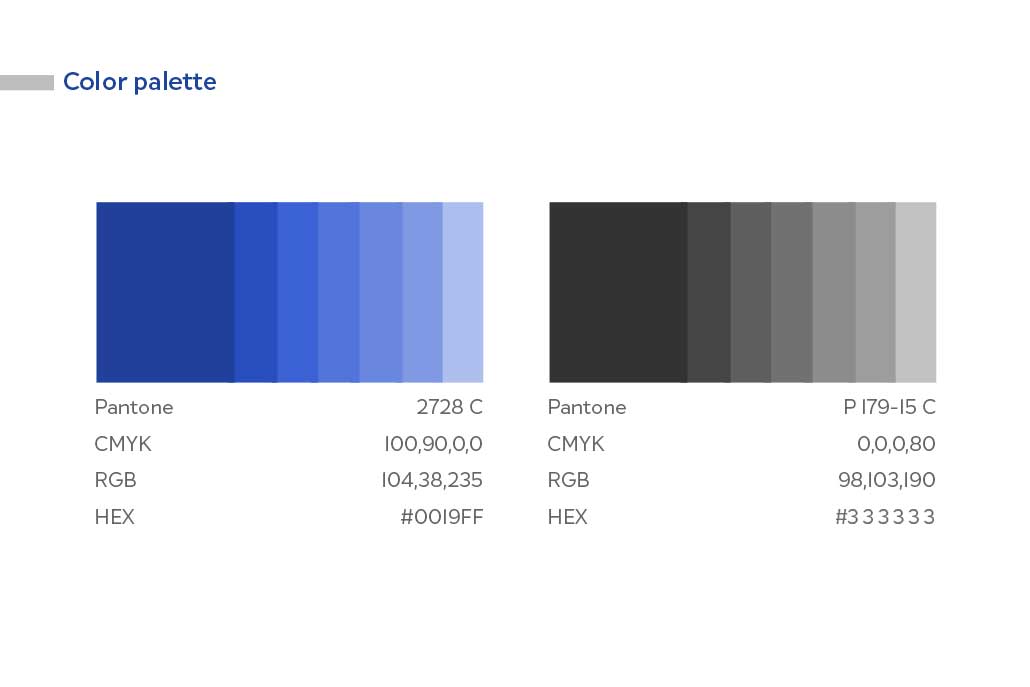
- HEX, RGB, CMYK, Pantone codes
- Usage guidelines
- Typography / Fonts
- Primary & secondary fonts
- Sizes, line spacing, kerning
- Digital & print usage
- Graphic Elements & Icons
- Icons & pictograms
- Lines, shapes, patterns, textures
- Style rules and restrictions
- Photography & Imagery
- Photography style (realistic, minimal, lifestyle)
- Framing & composition
- Filters & color grading
- Practical application examples
- Brand Voice & Tone
- Formal, friendly, motivational, humorous
- Writing style for social media, website, email, ads
- Sample messaging examples
- Practical Applications
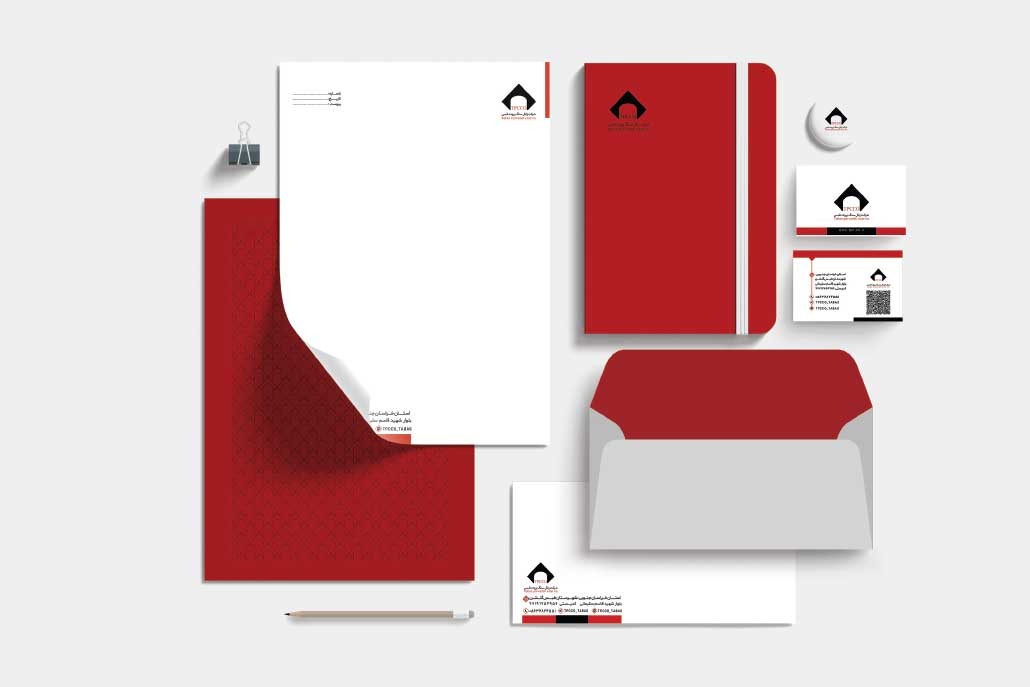
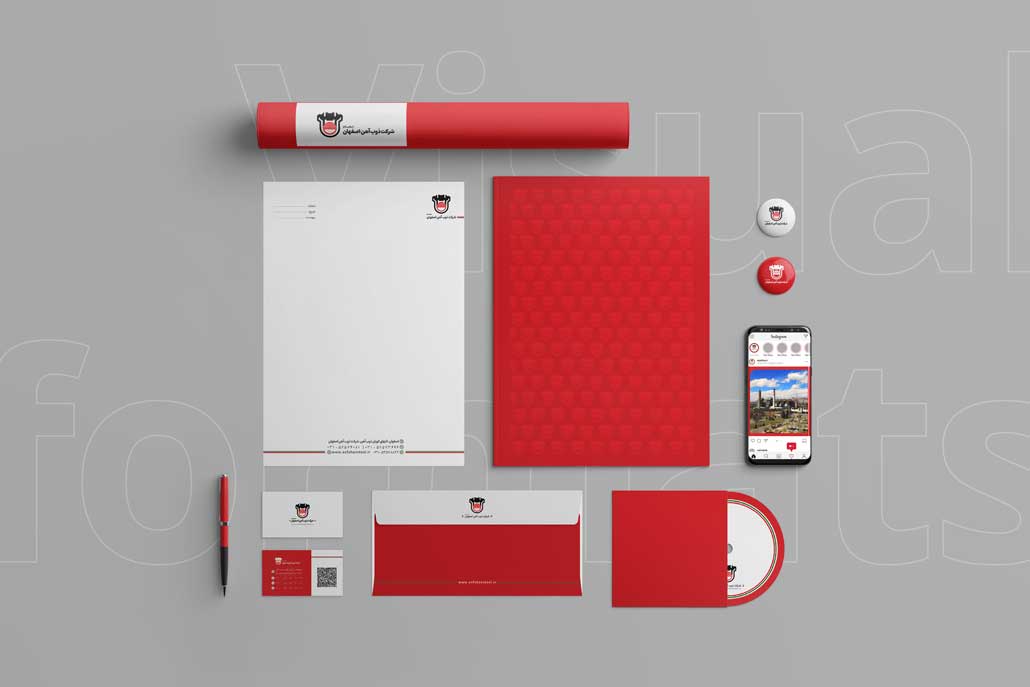
- Stationery: business cards, letterheads, envelopes
- Packaging & labels
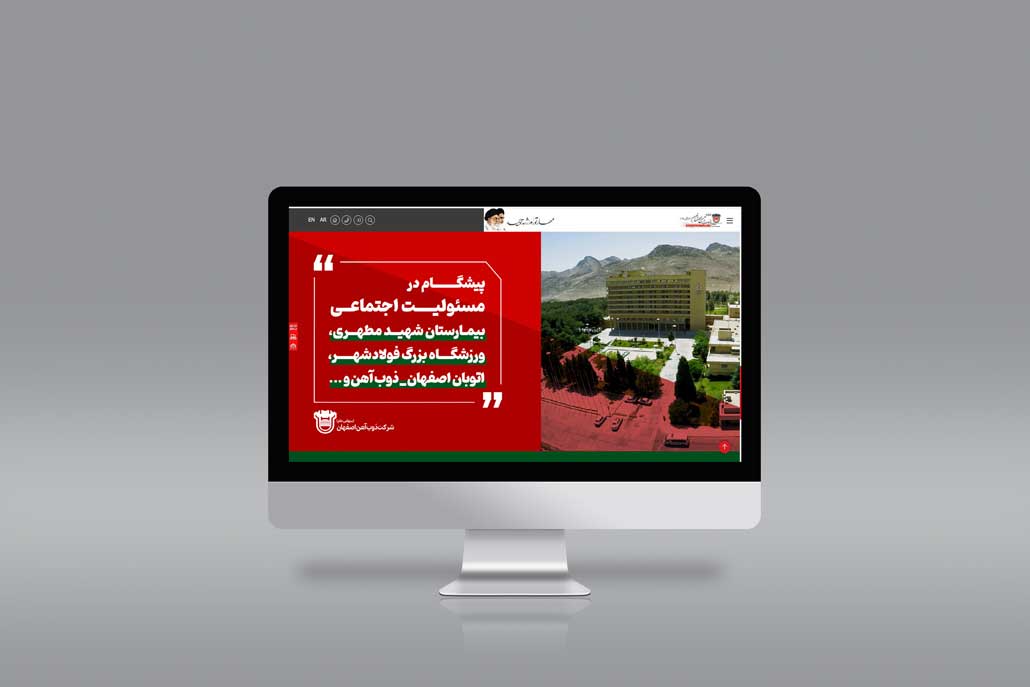
- Print & digital ads
- Motion graphics / video content
- Brand Archetype
Defines human-like personality for the brand to build emotional connection.
- Hero → inspirational, motivational
- Creator → innovative, creative
- Everyman → friendly, approachable
- Ruler → authoritative, credible
- Explorer → adventurous, bold
- Additional Guidelines
- Social media guidelines
- Co-branding rules
- Email/presentation templates
- Brand protection rules
Key Tips for a Standard Global Brand Book
- All components must be cohesive and consistent.
- Include both digital and print versions.
- Use international terminology and standardized color codes (Pantone, CMYK, RGB, HEX).
- Provide practical examples for easy implementation globally.
Importance of a Brand Book for Brands
A brand without a brand book is like a building without a blueprint. Brand books:
- Ensure consistent & distinctive identity
- Enable design teams to execute projects without confusion
- Build trust among customers and partners
- Maintain brand standards across print, digital, and advertising
Benefits of a Professional Brand Book
- Increased brand credibility
- Reduced design time and costs
- Consistent visual identity across all media
- Strengthened brand recognition & loyalty
Common Mistakes in Brand Book Design
- Inconsistent colors and fonts
- No practical application examples
- Limiting brand book to logo and colors only
- Not updating brand book over time
Key Notes / Dos & Don’ts
Dos:
- Follow official logo, colors, fonts
- Include practical usage examples
- Update brand book as brand evolves
Don’ts:
- Alter logos or colors without authorization
- Limit brand book to logos/colors
- Ignore brand archetype
Brand Book Application Examples
- Stationery design (business cards, letterhead, envelopes)
- Packaging & label design
- Motion graphics & digital advertising
- Social media campaigns & print advertising
Brand Identity in a Brand Book
Brand identity is the heart of any brand. The brand book defines all visual, content, and experiential elements that differentiate a brand from competitors.
Elements Include:
- Logo / Logotype
- Color Palette
- Typography
- Graphic Elements & Icons
- Photography & Imagery
- Brand Voice & Tone
Importance:
- Ensures visual & content consistency
- Strengthens brand recognition
- Maintains cohesion across all media
- Supports growth and scalability globally
Brand Book and Business Needs: Why Every Brand Requires It
- Brand Consistency: Align logos, colors, fonts, graphics, and content style across all channels.
- Efficiency & Cost Saving: Reduces repeated decision-making and errors.
- Building Trust: Cohesive branding increases credibility.
- Scalability & Standardization: Guides multiple teams across locations and campaigns.
- Brand Protection: Dos & Don’ts prevent identity misuse.
- Digital & Marketing Alignment: Ensures cohesive online presence.
- Packaging & Merchandising Support: Standardizes product presentation globally.
Brand Book Design Cost
Depends on project scope:
- Visual brand book (logo, colors, fonts)
- Complete brand book (graphics, imagery, archetype, applications)
- Additional services (stationery, packaging, motion graphics, advertising)
A professional brand book is a valuable investment for creating a consistent and professional brand identity globally.
Conclusion
A brand book is an essential tool for any professional brand. A customized brand book enables brands to present a cohesive, professional, and distinctive identity, creating a lasting impression for customers and partners worldwide